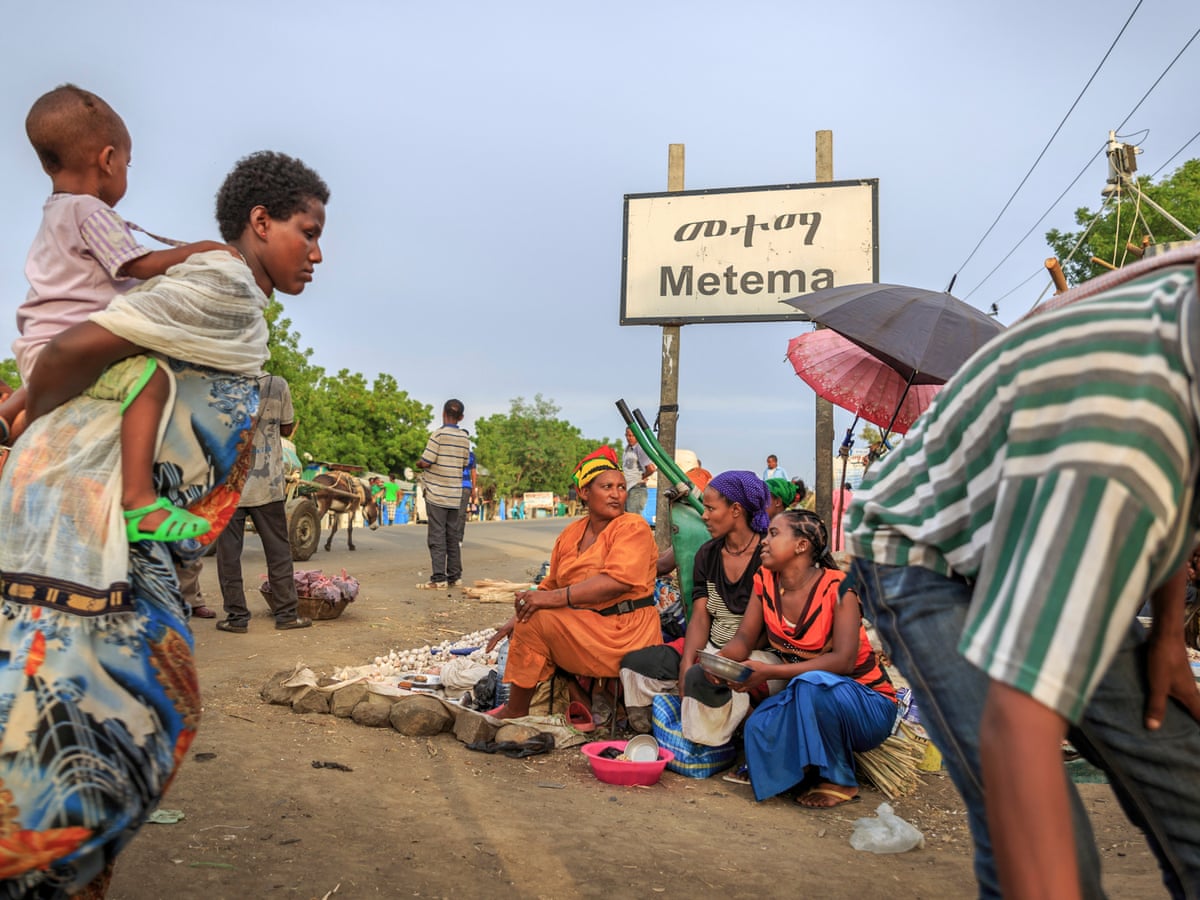
Photo credit: the Guardian
Muhammed Awol had a plan. The 29-year-old father of two, from Chefa Robbit in Ethiopia’s Amhara Region, believed a job in Japan would change his family’s future. Instead, he says, it emptied his pockets and left him with questions no one could answer.
Borkena reports that it all started in 2024, when Awol paid Bright Future Consultancy 50,000 birr to arrange the job. Over the next seven months, he says, that number kept climbing – savings, borrowed money, more fees – until it reached nearly 820,000 birr.
Then came the paperwork that didn’t match the promise. Awol says he flew to Japan on a single-entry visitor visa – not a work visa – and was deported from Tokyo within hours of landing.
It gets stranger. Awol alleges an import-export licence had been registered in his name without his knowledge, and that when he asked for his money back, the consultancy went quiet. At one point, he says, someone suggested he try entering South Korea illegally instead. He refused.
Bright Future Consultancy did not respond to repeated email requests for comment, and none of these allegations have been independently verified. What’s clear is this: a man who set out to build a better future for his children came home with a financial crisis instead – and a lot of unanswered questions about how job offers like his get verified in the first place.
For many Ethiopians, a job abroad isn’t just a paycheck – it’s a way out of unemployment, a way to support children, pay off debt, build something stable. That hope is exactly what makes offers from Japan, Canada, the UAE, and elsewhere so powerful – and so easy to exploit.
TikTok and Facebook have made it effortless to reach thousands of hopeful applicants at once. A slick video, a glowing testimonial, a salary that sounds too good – and an offer can feel real before anyone has checked whether the employer, or even the job, actually exists.
The danger isn’t the advertising itself – plenty of real opportunities get posted online too. It’s when persuasion takes the place of proof: guaranteed visas, unusually high pay, an application that’s somehow simpler than it should be, with nothing solid behind it.
A polished social media page proves nothing about legitimacy. And not every ad is a scam. The question that actually matters is simpler: can the offer be checked?
Once someone pays – often money borrowed from relatives, raised by selling possessions, or pulled from the family budget – walking away gets harder. Sunk cost takes over. People keep going not because the signs look good, but because stopping means admitting what’s already been lost.
That’s the business model. Hope, modernized. And the bill lands on families who could least afford it.