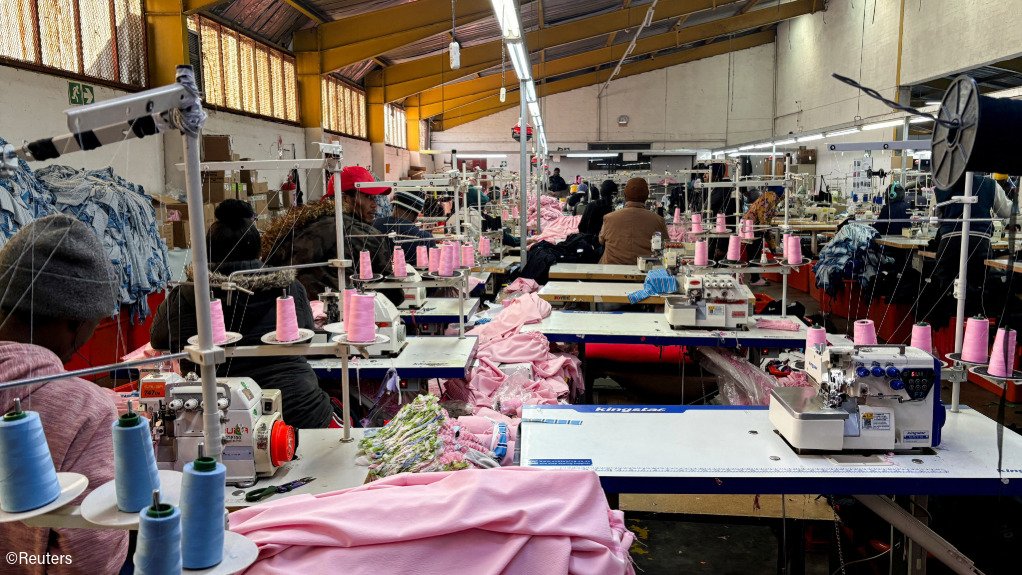
Weeks after xenophobic protests drove thousands of migrant workers from South Africa, rows of sewing machines stood idle at a clothing factory in Newcastle, a manufacturing hub in the eastern province of KwaZulu-Natal.
Reuters reports that migrants typically work in sectors unappealing to locals, according to analysts.
“People don’t want to work in factories,” said Mpho Nkosi, a South African administrator at one of the factories.
A spokesperson for the Department of Employment and Labour said he was unaware of worker shortages and advised employers to seek the department’s assistance with recruitment.
Months of anti-migrant marches and vigilante attacks culminated in a June 30 deadline declared by the March and March for undocumented migrants to leave, prompting many to flee.
The group claims immigrants are to blame for South Africa’s economic woes, particularly high unemployment, although researchers dispute this. It argues that employers prefer foreigners who accept lower wages.
Factory owners counter that they mostly employ South Africans, while some skilled workers from neighbouring Eswatini and Lesotho are needed for their experience in the garment sector.
The Southern African Clothing and Textile Workers’ Union estimates that 15% of Newcastle’s 15,000-strong textile workforce left during the protests.
Union representative Siyabonga Ntombeta disputed the idea of a skills shortage and said the obs awarded to them,