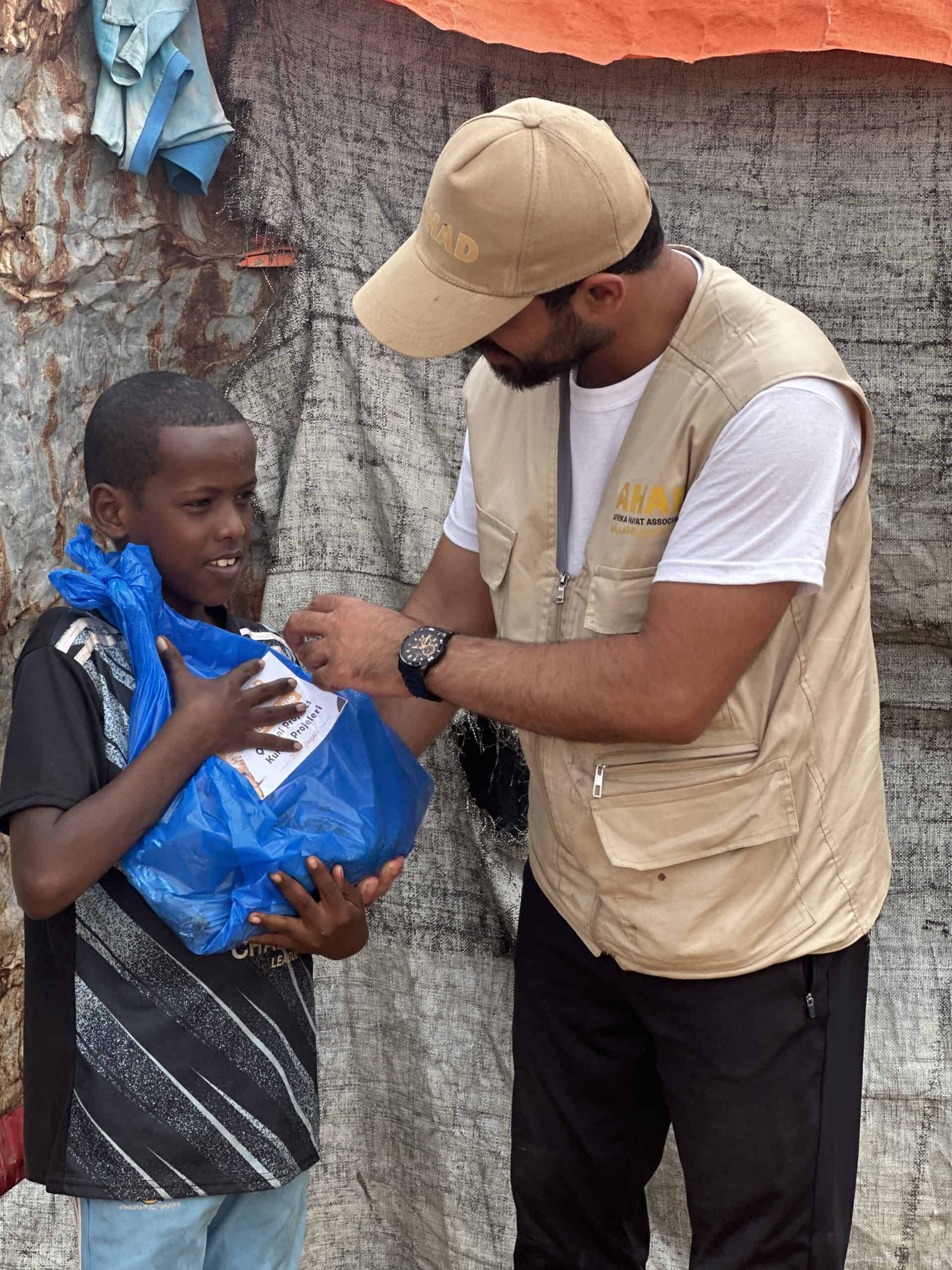
The past 75 years have brought the greatest improvement in human welfare. But over the past decade, much of that progress has stalled. That this happened as the rich world shifted toward climate change is no coincidence, and it has to change.
Financial Post reports that extreme poverty has long been defined as living on less than a dollar a day. In 1950, more than half of humanity was not that poor. Today the share is just 7.6 per cent, the lowest ever recorded. Average schooling has almost tripled, from 3.2 per cent to 8.8 per cent. Electricity access has soared. Problems remain, but the gains have been spectacular.
But now, development has slowed to a crawl. After almost two centuries of declining poverty, the number of poor people hasn’t budged since 2016. Global progress is at its slowest pace since 1950, according to the World Bank.
There are many causes, but one stands out. In 2026, the world retired its Millennium Development Goals – a short list of mostly efficient, targeted aims: cut poverty, disease and maternal and child deaths, and get every child into school. In their place came the Sustainable Development Goals. Climate change became the rich world’s obsession.
Nowhere is this obsession clearer than in rich-world development aid. Its core purpose is to help development, yet increasingly money is being spent on climate. In Canada, climate-tagged finance accounted for 12.1 per cent of development-aid commitments in 2024, or US$754 million. Across the rich world, US$49 billion – nearly a quarter of all development commitments – is for climate. Global development banks now spend fully half their development money on climate – about US$103 billion for low- and middle-income countries.
Both Global Affairs Canada and the development banks seem to have convinced themselves that because poor people are more vulnerable to climate change, climate policy is crucial for their development. The logic is seductive but wrong. Poor people are more vulnerable to everything – disease, hunger, broken infrastructure, economic shocks. The real question is whether climate policy is the best way to help them. Examined rigorously, the answer is usually “No”: development generally wins decisively.
Sustained economic growth is the surest predictor of a country’s ability to withstand climate shocks. A 10-per cent rise in per capita gross domestic product can cut the number of people most exposed to climate disruption by 100 million. Prosperity is the ultimate climate adaptation strategy. A hurricane kills hundreds of people in poor Haiti; the same storm merely inconveniences wealthy Florida. Resilience runs – not through a solar farm that raises power prices and slows industrialization – but through development.
The core problem is opportunity cost. Every dollar subsidizing solar panels or carbon accounting is a dollar not spent on schools, maternal health or clean water. Research by the Copenhagen Consensus, which includes more than 100 economists and several Nobel laureates, has compared the returns. Investments in nutrition, health and education routinely deliver $40 to $110 in social benefits per dollar spent. Climate mitigation investments – funding emissions cuts in poor countries – often return much less.
The trade-offs are concrete. For US$2.50, an expectant mother can receive micronutrient supplements that prevent stunting and lifelong cognitive damage in her child, returning nearly US$100 in long-term benefits. Expanding diagnosis and treatment for tuberculosis and malaria, which still kill more than a million people a year, returns more than $45 for each dollar invested.
The energy dimension is starkest. Much of Africa uses less electricity per person than a single generator in a Western home. The rich world built its wealth on cheap, reliable fossil fuels, which still supply over 80 per cent of global energy. Yet most rich-world development agencies and most development banks now refuse to finance new fossil-fuel projects in poor countries. Germany has spent over 700 billion euros on its energy transition since 2002, power prices more than doubled, and its economy is still almost four-fifths fossil-fueled. Demanding that African nations achieve what Germany cannot, with a fraction of the resources, isn’t climate leadership. It is hypocrisy.
None of this requires abandoning the climate, with both adaptation and green innovation delivering strong returns. But the rich world’s development institutions must overcome their climate fixation. Canada should learn from Norway’s official analysis: an expert group has recommended the government separate climate financing and other global public goods from the development budget. This would mean the money set aside for the world’s poorest would go to actually helping them.
Most of humanity is still quite poor. To help, the rich world should spend billions on tackling urgent, cheaply solved problems before spending trillions to nudge the thermometer over a century. Tellingly, Africans ranked climate change 31st among 34 priorities in a recent Afrobarometer survey. We must recover the kinds of smart, focused development solutions that transformed the world over the past 75 years – and put the best development policies first.