Photo credit: SBS
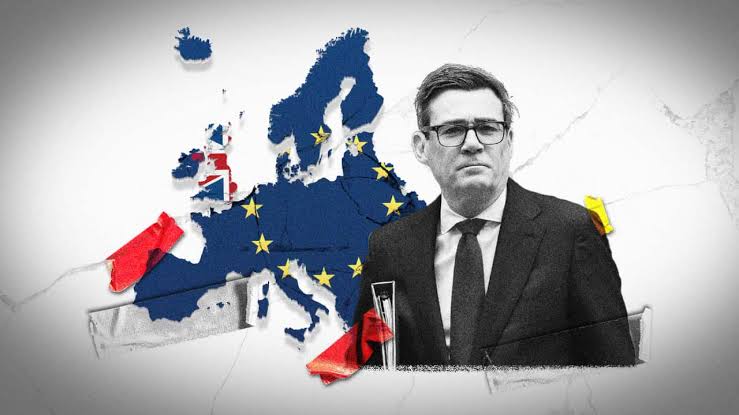
It’s looking increasingly possible that the United Kingdom Prime Minister Andy brnham could attempt to reverse the 2016 decision to leave the European Union, commonly known as Brexit, and pursue a pathway of “Bre-entry”.
SBS News reports that the Labour leader would face an uphill battle to return his nation to the economic and political bloc, with top EU diplomats cautioning that the country may have to agree to significantly closer ties to regain the benefits of membership.
Indeed, a resumption of what had been considered a special position within the EU – including the retention of its own currency – is unlikely, according to one expert, who said he didn’t expect to see the UK bak in the EU “this side of 2035”.
Support among voters in the UK for rejoining the EU ranges from 57 to 61 percent, with consistent majorities among those who say Brexit was a mistake and an overall failure.
However, supporters of the move to leave, including former Conservative prime minister Boris Johmson and former senior cabinet minister Michael Gove, have said they would oppose any attempt to reverse the decision, threatening to make the campaign as divisive as it was a decade ago.
Since taking over as party leader from Keir Starmer in July, Burnham has made it clear he is far more sceptical and outspoken about the impact of Brexit than his predecessor.
“Brexit has done more harm than good,” Burnham told a Labour Party conference in September, using his speech to pledge four long-term strategic options the UK could pursue in its relationship with the EU.
The comment was a major break from UK leadership tradition, which has either been to talk up Brexit or largely ignore it. The PM has since made a series of critical comments about Brexit, describing it on Monday as “like the emperor’s new clothes”.
During a podcast appearance last month, he went further, asserting 6that the 2016 referendum was subject to interference from Russia, which he claimed UK intelligence confirms is still “instigating” political divisions in EU member states.
The four options Burnham has sought formal negotiations with the EU about are:
1. Maintaining the UK’s status quo position under its existing Trade and Cooperation Agreement
2. Negotiating a comprehensive UK-EU Customs Union to remove tariffs and checks
3. Re-entering the European Single Market
4. Full re-entry to the European Union
Sticking with the status quo and refusing to seek closer renegotiation with the EU would be a “major dereliction of duty,” Burnham has said.
However, these are thought to be long-term strategic goals, which Burnham has said would require an explicit electoral mandate. He has promised to take his plan to the people at the next UK election, expected before August 2029.
Top negotiators have said the UK cannot simply cherry pick the EU benefits it wants and, over the next 12 months, the bloc is looking to freeze its position on the UK until the country can come back with a firm, stable offer.
The terms of re-entry to the EU would be significant to UK voters, Marrhew Smith, head of data journalism at the YouGov UK polling organization, has said.
The two tip issues are whether the UK would be allowed to keep the pound and whether it would get back the 66 percent reduction in financial contribution to the EU negotiated by Margaret Thatcher.