Photo credit: BBC
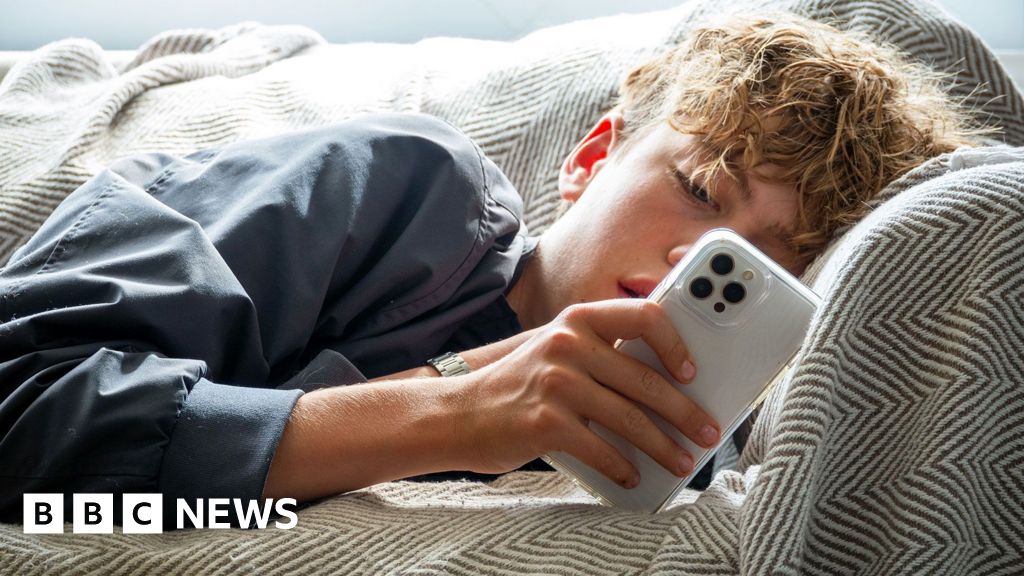
More than 300,000 young people in Britain will work with researchers to help understand how the UK’s forthcoming social media ban for under-16s could affect mental health.
The BBC reports that the studies will examine the habits of the children and teenagers including whether they spend less time on their phones and what they are replacing scrolling with.
Ten different projects have been commissioned, taking place across England, Wales and Scotland, to help reflect a diverse range of teenagers.
The social media ban, beginning in spring 20.27, will follow a similar model for that to that already introduced in Australia to stop children accessing platforms such as Instagram, TikTok and Snapchat.
The work, funded by health charity The Wellcome Trust, will help inform future online safety policies in the UK and internationally, with some early results available before the ban happens.
Researchers will use wearable technology, smartphones, digital diaries and surveys to collect data to see how young people respond to the ban, both physically and mentally.
They will also check whether young people find ways to circumvent restrictions.
Dr Camilla Iannone, research lead at Wellcome, said it was a once-in-generation opportunity to study at scale how social media and its restrictions affected youth mental health.
Participants are being recruited to reflect a diverse range of young people, including different genders and sexual orientations.
People with existing mental health conditions, such as anxiety and depression, will also be included, as well as young people who are neurodivergent.
Groups have been set up at Cardiff University, the University of Oxford, the University of Birmingham, King’s College London, the University of Edinburgh, the University of Manchester, the London School of Hygiene and Tropical Medicine, and University College London.