Photo credit: the independent
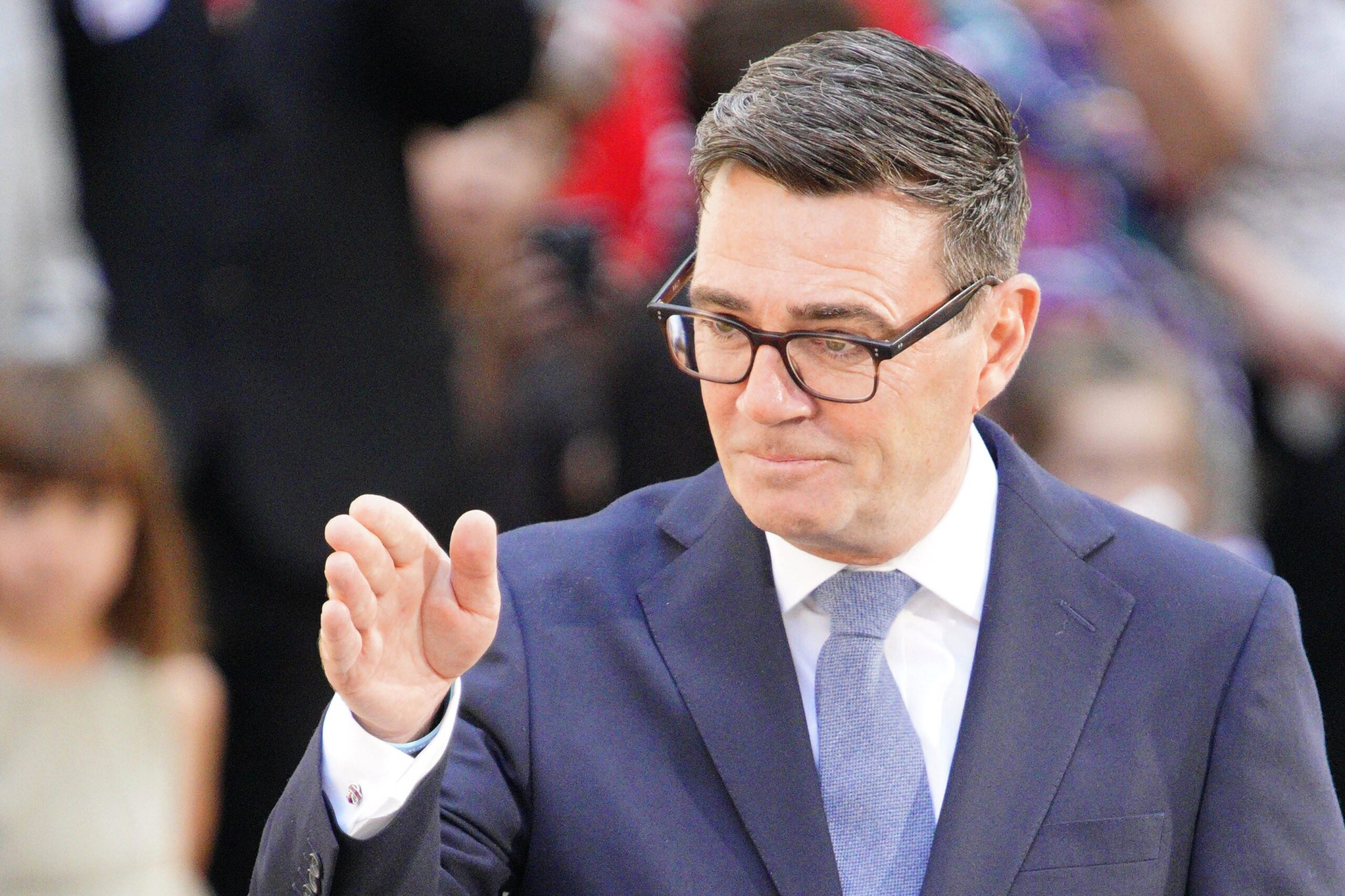
Andy Burnham became the United Kingdom’s prime minister on Monday, the seventh in a decade. It followed Keir Starmer’s short stint of two years as Prime Minister. But it marks a shift in Labour’s centre of gravity, from top-down Westminster technocracy towards a politics of place, investment, and national renewal. For Washington and Brussels alike, the question is whether Burnham represents continuity with a new (Northern) accent or something more consequential.
The Council on Foreign Relations reports that the certainty arises because Burnham is a rare figure in British politics: a genuine political veteran who refashioned himself as an insurgent. He ran twice for the Labour leadership, finishing fourth in 20010, when Ed Miliband won, and second in 2015, when he lost to Jeremy Corbyn. What transformed his national staanf]ding was leaving London and Westminster. As mayor of Greater Manchester from 2017, Burnham won three consecutive elections by widening margins, earning him the sobriquet “King of the North.” He built a policy record on buses, housing, and homelessness that made him Labour’s most popular politician in the polls. He belongs to the party’s so-called “soft-left,” to Starmer’s left on economics and public services, but not a Corbynite.
In an early sign of his agenda as Prime Minister, Burnham promised in his first speech outside 10 Downing Street to “build a new economy where we put life’s essentials back under public control.”
Burnham likes to describe his economic and domestic philosophy as “Manchesterism.” It is based on the conviction that the United Kingdom’s core problem is a hyper-centralized state that has starved its regions of economic investment and political power.
He has pledged to reverse nearly two decades of low growth since the 2008 financial crisis by harnessing public and private capital for transport, housing and infrastructure. This, in essence, is his mayoral playbook scaled nationally. His signature gesture is a “No 100 North” in Manchester to coordinate devolution, alongside an ambitious social housing [rogram, taking back control of public utilities, nationalizing steel, and expanded social care.
Crucially, he has moved to reassure markets rattled by memories of former PM Liz Truss’ so-called mini-budget in September 2022, which had scared bond investors by cutting taxes without a plan to pay for them. He has committed to the government’s existing borrowing limits, pledged fiscal discipline, and promised to reduce the welfare bill. Much of the substance is continuity with the Starmer-Reeves agenda – industrial strategy, self-sufficiency in sectors essential to national security, directing procurement toward domestic production – but wrapped in a more compelling political story. Burnham’s talk of “foreign capabilities” in shipbuilding, energy, AI, and quantum would not sound out of place in Paris or Brussels.
Burnham is personally the most pro-European prime minister since Blair, but will talk about Europe less than Starmer did.
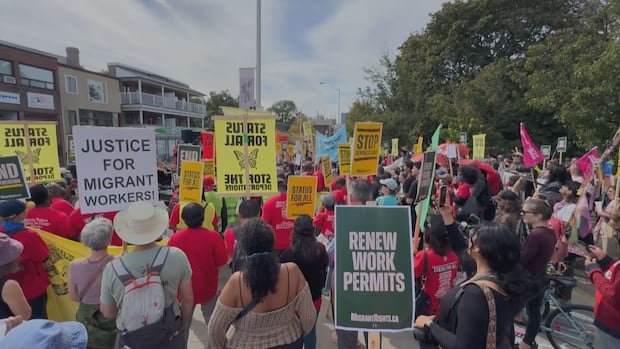
DMS Perspective reports that although Burnham has not yet published a detailed immigration program, any assessment of his likely approach necessarily relies on his parliamentary record, public statements and recent interviews.
More recently, he has combined calls for stronger border enforcement with parliamentary support for Labour’s Immigration Asylum Bill, voting in favour of the legislation at its second reading in July 2026.