Photo credit: Reuters
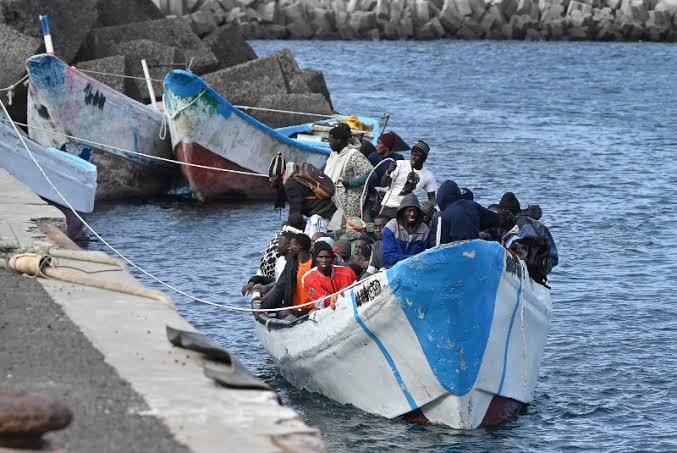
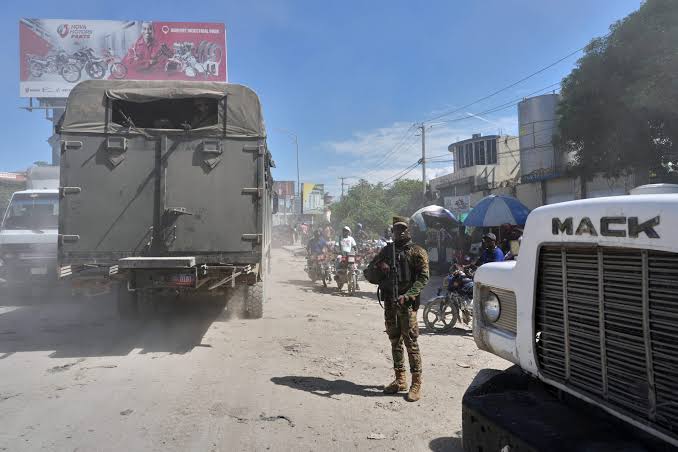
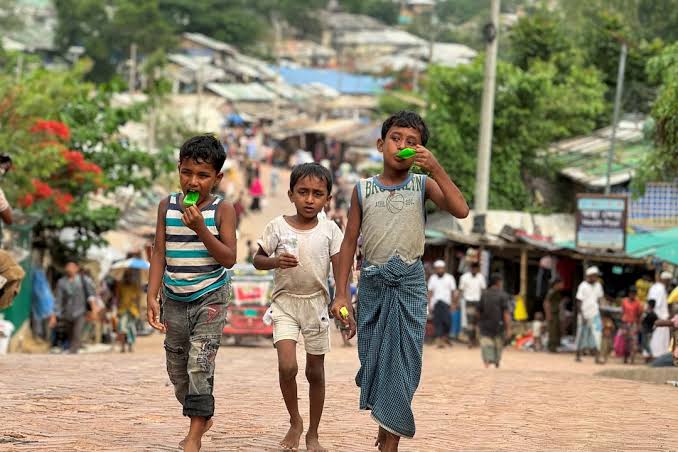
Nearly 90 million forcibly displaced people are living in countries increasingly exposed to climate-related droughts, floods, and extreme heat, the UN refugee agency said, warning ahead of the COP31 climate summit that more funding is needed to help vulnerable communities adapt.
Riyadh Daily reports that nearly three-quarters of the world’s forcibly displaced people are living in countries such as Afghanistan and Bangladesh that are exposed to severe climate-related risks, according to the report by the agency known as UNHCR, published ahead of the UN Climate Change Conference in Antalya, Turkey. The findings show the overlap between conflict, displacement, and climate change.
“Climate adaptation in fragile and displacement-affected areas is a matter of survival,” said Antin Leis Garcia, UNHCR’s assistant high commissioner for operations.
It also warned that climate change is making it harder for displaced people to return home sustainably.
In the first half of 2026, more than two-thirds of refugee returns were to countries highly exposed to climate hazards, placing them at risk of renewed displacement, the report said.
Across sub-Saharan Africa, one in three refugee settlements could experience at least 100 days of dangerous heat each year by 2050, threatening health and livelihoods, the report said. In some settlements in Ethiopia, including Helaweyn, dangerous heat could persist for more than 200 days in a year, increasing the risks of heatstroke and premature death.
UNHCR also warned that a forecast supersized El Nino could worsen climate-related risks in many refugee-hosting countries and trigger further displacement.
In East Africa, severe flooding could displace up to 3 million people in Somalia, Kenya, South Sudan and Uganda by the end of this year, UNHCR said. In the Sahel, drought, flooding and conflict could intensify competition over scarce resources, while parts of Asia face heightened risks of droughts, floods and cyclones.
UNHCR called on governments and climate-finance institutions meeting at COP31 to increase funding for climate adaptation, highlighting that only about 10% of climate finance reaches fragile or conflict-affected countries.