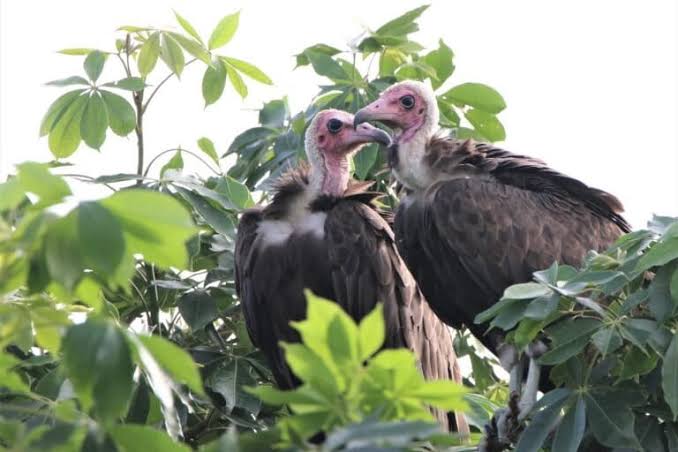
Vultures are disappearing across parts of Africa for several reasons, but belief-based trade has become one of the most worrying and difficult to address. In parts of West Africa, demand for vulture heads, feathers, and other body parts is putting pressure on birds beyond the places where they are openly sold.
European Wildlife reports that the concern now reaches into central Africa. Conservationists warn that vultures in countries such as Chad may be increasingly targeted to supply markets elsewhere. That matters because vultures are wide-ranging birds, and illegal trade can connect distant landscapes through hidden routes.
A vulture killed in one country may be feeding demand in another.
Vultures are sometimes dismissed because they feed on carrion, but that role is exactly why they matter. They remove dead animals quickly, reduce waste in the landscape, and help limit the spread of disease by consuming carcasses before they rot or attract other scavengers.
When vulture populations decline, ecosystems lose one of their most efficient clean-up services. The consequences can ripple outward, affecting public health, livestock areas, and the wider balance of scavenger communities.
Many African vultures are already under pressure from poisoning. Some are killed accidentally when poisoned carcasses are used against predators. Others are poisoned deliberately by poachers who want to hide illegal kills from circling birds.
Belief-based demand adds another layer. If vultures become valuable in trade, killing them becomes more attractive. That can make already fragile populations even more vulnerable.
A species can withstand some natural mortality. It can not withstand repeated poisoning, targeted capture, and trade pressure at the same time.
Law enforcement matters, but stopping vulture decline cannot rely only on seizures and arrests. Demand also has to fall.
That requires education, work with traditional and community leaders, public awareness about vultures’ protected status, and alternatives that reduce pressure on wild birds. The issue is sensitive because belief-based use can be culturally rooted. But cultural sensitivity can not mean ignoring the scale of harm.
The warning from West and Central Africa is clear: vulture protection has to be regional. Poisoning control, border enforcement, demand reduction, and public education must work together.
If vultures vanish, the loss will not be quet. Landscapes will lose a natural clean-up crew that has served the ecosystem for millions of years.