Photo credit: CBC
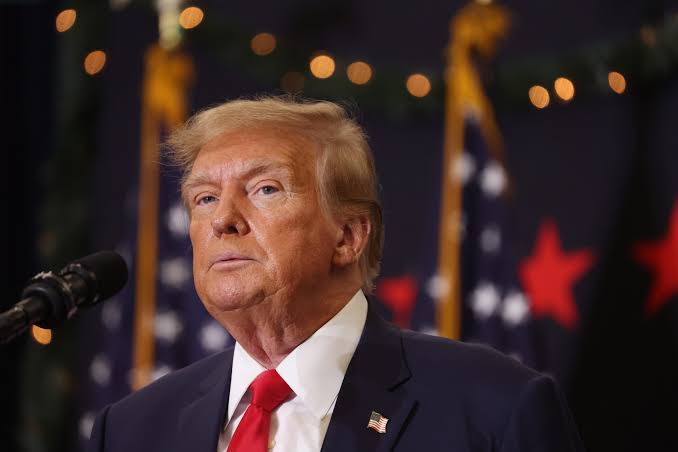
President Donald Trump’s ban on Canadian booze kicked in on Tuesday, an unprecedented move that underscores the breakdown in one of the closest trading relationships in the world.
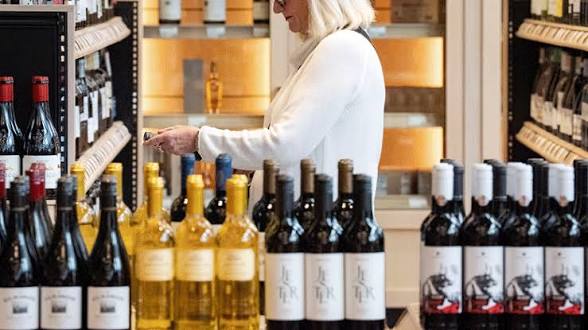
CNN reports that the ban, which impacts $800 million worth of Canadian alcoholic beverages the US imported last year, marks the latest salvo in a tit-for-tat trade war that already includes sky-high tariffs and a ban on US booze in Ontario and other Canadian provinces.
“This is highly escalatory. The US has sent a very significant shot across the bow to Canada,” said Barry Appleton, distinguished adjunct professor of law and co-director of the New York Law School’s Centre for International Law.
However, experts say most American shoppers are unlikely to immediately notice the ban, In part because of workarounds, exemptions and the fact that distributors have had time to stock up on imported Canadian alcohol before the ban took effect.
At the same time, with the quickly evolving trade picture with Canada, anything can change on a moment’s notice. Hours before the ban took effect, Trump said he is confident the US will come out ahead and expects Canada to come to the US with a deal soon.
The US consumer impact will likely be limited by the fine print.
At a high level, the Trump order bans Canadian alcohol imports under a certain size but allows for bulk shipments.
“Bulk booze that is going to be rebottled in the US can cross the border. Labelled booze under a certain size can’t,” said Appleton.
For instance, whisky and liqueurs, two of Canada’s top alcoholic beverage exports to the US, are exempt from the ban when sold in containers larger than four litres. In those cases, they also won’t face any tariffs.
But making the switch requires having the right containers on hand or sourcing them from scratch, then rebottling small sizes more commonly sold in liquor stores. All that could add to business costs – and potentially get tacked on to the prices consumers pay.