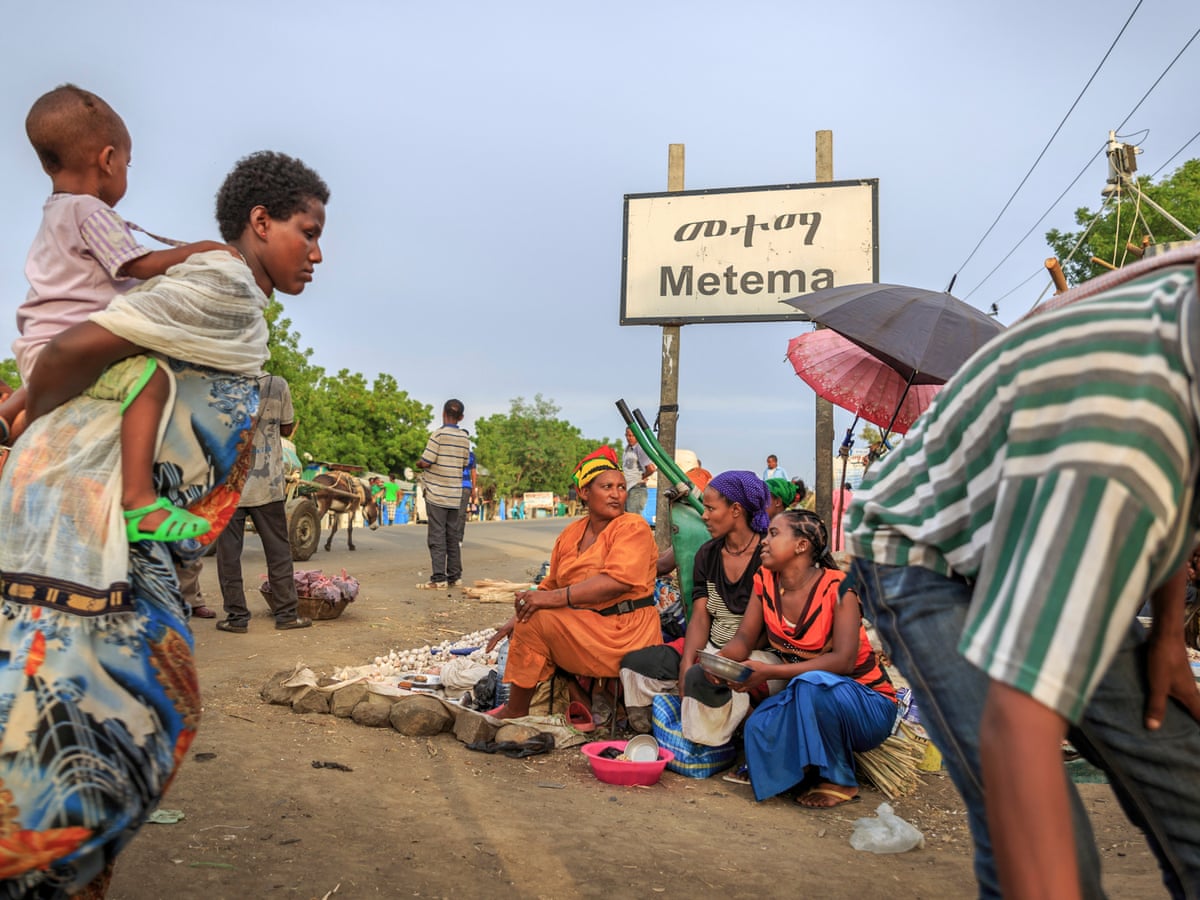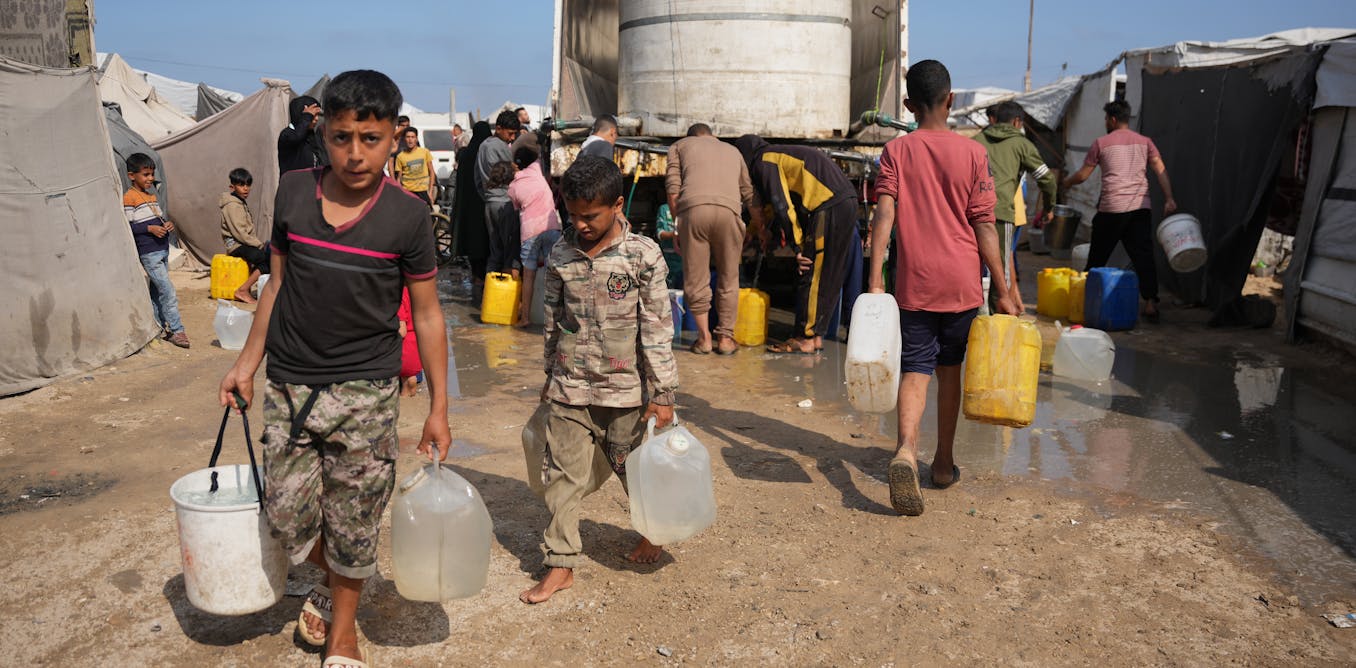
Photo credit: the Conversation
When millions of people fled Ukraine following Russia’s invasion in 2022, governments and humanitarian organizations used mobile phone and online platform data to track movements and identify where support was needed.
The Conversation reports that similar approaches have been used to monitor population displacement in Cameroon, and in Gaza during the Israeli-Hamas war. This is part of a wider shift in which governments, organizations and researchers are using a new generation of data – including mobile phone records, social media activity, satellite imagery and online search patterns – to understand migration.
The value of these tools is clear. Migration is dynamic. These digital traces reveal popular movements in real time, often months or years before official statistics become available.
But every form of measurement captures some realities while obscuring others. Researchers working on migration and digital technologies have found that while digital data are analytically valuable, they exclude key populations and cannot capture migration as a lived experience.
In 2024, Canada’s population grew by 744,324 people; 97.3 percent of them were international migrants, according to Statistics Canada. Yet the number of migrants in Canada at any one time depends on how we measure migration in the first place – what counts and who is included?
For instance, the Canadian Census counts country of birth. Administrative records track visas and immigration status. Surveys can capture intentions, experiences and settlement trajectories. Data on temporary migrants are based on temporary work or study permits, but such data were not even part of the immigration policy debate until 2023.
None of these sources mention immigration directly. Each is a proxy – a stand-in for something that is difficult to track – that captures just one aspect of a complex reality.
As Canada advances its national AI strategy, we must ask: what happens when migration is increasingly understood through digital proxies that do not directly observe migrants themselves?