Turning Social Media to an Exhibition Space.
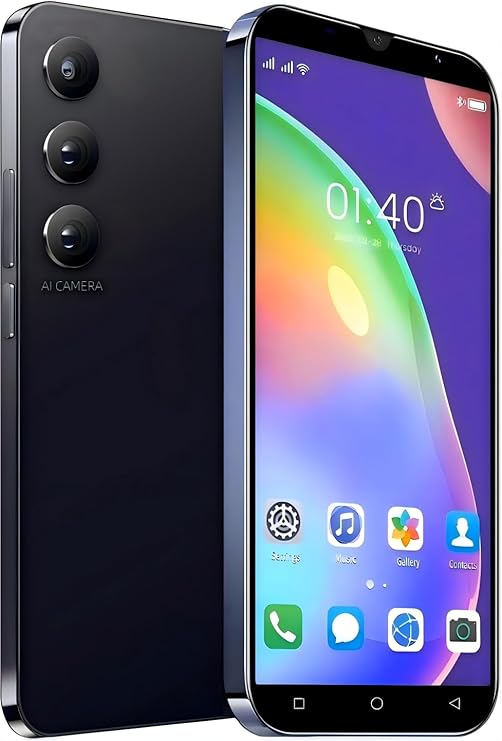
You may be carrying your most accessible gallery in your pocket.
No rent. No security guard. No opening hours. No geographical address.
People in Lagos, Nairobi, Accra, London, New York and Tokyo can enter it within seconds.
It is your phone. Yet many artists use this extraordinary instrument merely as a noticeboard:
“New painting.” “Available.” “DM for price.” “Sold.”
Then another work: you use social media more like an inventory, a supermarket, and not a studio/gallery.
Curate your art. Show more than finished artworks: show sketches, tools, experiments, studio photographs, details, textures and abandoned ideas.
Photograph yourself beside a large painting to reveal its scale, close-ups to reveal textures, share sketches.
Turn one artwork into several moments of attention, remembering that social media is not your archive.
Preserve original photographs, videos, captions and artwork information independently.
Social-media companies own platforms: artists must own records.
And don’t become obsessed with followers.
You may have 50,000 followers who barely remember your name, or 100 people who follow your development, attend your exhibitions and recommend your work.
Don’t merely count followers, cultivate connections.
Post consistently, but don’t allow posting to replace making art.
Write meaningful captions. Respond to serious comments. Support other artists. Credit collaborators.
Let the phone serve your studio work, but your studio should never serve the phone.
For African artists, digital platforms have weakened one of the oldest barriers to international visibility: geography.
But social media is a doorway, not your entire house.
Let it lead people toward your website, exhibitions, studio visits, publications and the artwork itself.
Your phone is a gallery and the entire world can walk through its doors.
When they enter, give them a reason to stay.
—Moyo Okediji
President, University of African Art