Canada announced it will match tariffs dollar for dollar on US products on Tuesday, marking a tit-for-tat escalation in the trade conflict with Canada’s largest trading partner.
The National Post reports that Canada will impose 15, 25, and 30 per cent tariffs on products drawn from those targeted by US Section 338 and Section 232 tariffs, effective Sept. 8. The counter-tariffs are expected to cover $27.6 billion worth of imports from the US.
The matching on Section 232 tariffs also means Canadian tariffs on US steel and aluminium will increase from 25 to 50 per cent.
The counter-tariffs are in response to the latest round of US levies under Section 338 of the Trade Act of 1930, which came into effect on Saturday following the suspension of trade talks between Canada and the US.
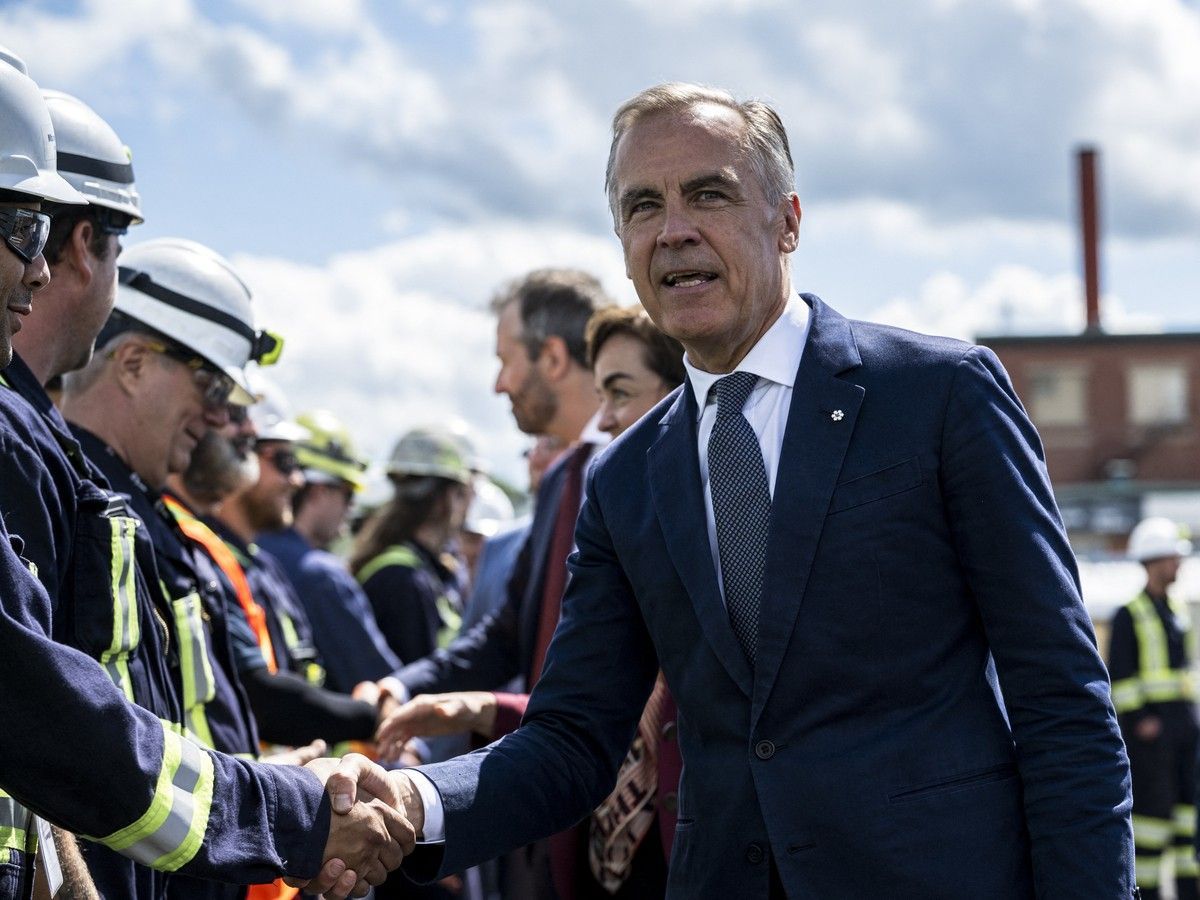
On Saturday, Prime Minister Mark Carney said several last-minute additions to a tentative agreement made a deal with the US untenable, adding that it would require a change in “attitude” on the Americans’ part to get Canada back to the negotiating table.
The Section 338 tariffs subject $28 billion worth of Canadian goods ranging from hockey sticks to dairy products to a 50-per-cent levy. Most of the economic impact is concentrated in British Columbia, Ontario and Quebec.
The list of US products now subject to counter-tariffs in Canada includes dishwashers, refrigerators, video-game consoles, fish, cheese, beauty products, plywood, paper products and clothing.
Speaking at a technical briefing, federal government officials said the goal of the counter-tariffs is to level the playing field for Canadian industries and businesses subject to US tariffs.
On Tuesday, the federal government also announced $7.5 billion in additional funding to help businesses and workers weather the impacts of the latest round of American levies. Government officials did not have a breakdown of how much of the funding is new or pulled from existing budget streams.
This includes $1.5 billion to establish a Regional Tariff Response Initiative for medium and small businesses under the existing Strategic Response Fund, which regional development agencies will administer. An additional $500 million will be provided to the Business Development Bank of Canada to provide more interest-free loans to affected businesses, particularly in the forestry, steel and aluminium sectors. Another $2 billion will go toward the Canada Strong Diversification Fund.
Nearly $3.5 billion will go toward expanding employment insurance programs for workers and employers impacted by tariffs and for programs to retool and re-skill workers.