Photo credit: the conversation
Global football body FIFA is branding the World Cup 2026 – and global football in general – as a celebration of inclusivity and diversity. It’s presented as a harbinger of peace and hope, and even somehow a saviour of African migrants who drown while attempting to cross the Mediterranean Sea.
The Conversation reports that the humanitarian posturing should not distract us from the existence of a precarious global class of migrants. They have travelled (especially from West Africa) to Europe (and elsewhere) by various means, with dreams of playing football for a living. As plenty of research has shown, many become stranded as unauthorised migrants, manipulated by deceitful agents, or exploited by football clubs.
Despite nuanced and long-standing research on this topic, Wedt African football migrants are still routinely in the headlines for more sensational reasons. They are being reported on as either victims of human trafficking or as stellar performers in elite football.
Human trafficking in and through football certainly exists. It’s been thoroughly explained by scholars and investigative journalists. But focusing only on victimhood or elite stars does no justice to the more common realities, aspirations and challenges of migrants who are reshaping today’s Europe and its football.
A recent study by migration scholars in West Africa asked young people (18-39) what their most important dream in life was. In Ghana, 13% of young men said it was to become a professional footballer. In the Gambia, it was 10%.
These are very high percentages, and would likely be much higher if the survey were among a younger population (like 15-30). They’re especially striking when you consider that only very few aspirants have a realistic chance of “making it” as professionals.
Football opportunities in West African domestic leagues are limited, uncertain, and often not very well paid. Dreaming of professional football almost always means dreaming of migrating overseas.
Playing and training for football has become one of the most desirable ways for young men to attempt to migrate, earn a living, and start providing for their families. The aspiring West African footballers attempt to travel everywhere, though Europe remains the most preferred destination.
Young men from countries like Ghana, The Gambia, Cote d’Ivoire and Nigeria travel to Europe by whatever route is available. Many of these routes have little to do with the official transfer of players between clubs.
Not all take a dangerous route. But much of the football-inspired migration takes place on an informal level, through informal intermediaries and family members already living abroad. Officially sanctioned transfers are limited to those most talented – and most lucky.
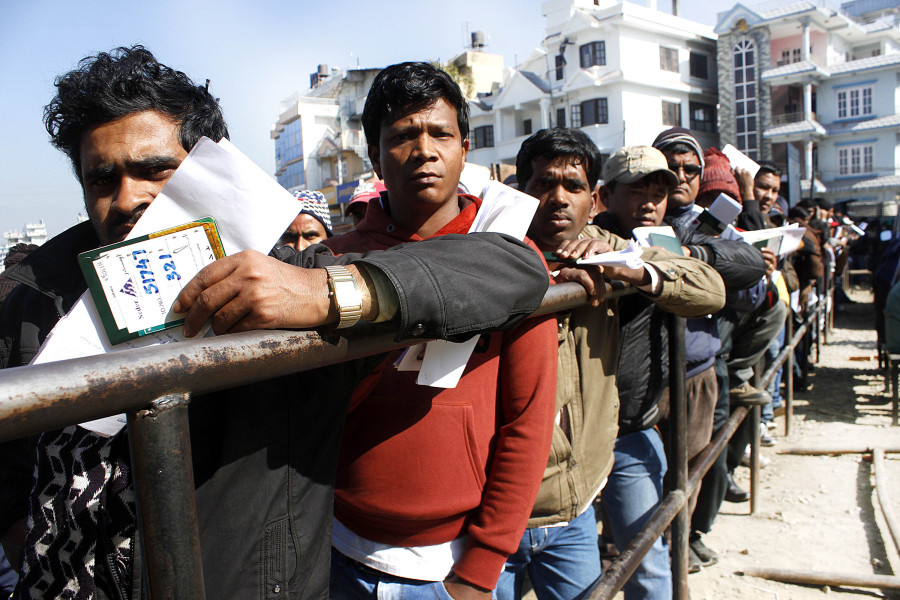
For aspiring migrants, it means finding ways to become mobile and navigate transnational waters in a context where visa applications are consistently rejected and regular migration routes are difficult to come by.
The hustle can be exciting, rewarding, but also incredibly tough and full of suffering.
Authorities often single out rogue agents and traffickers to combat the problem. But these individuals are only part of a set of larger issues.
Issues like speculative capitalism, violent borders, global inequalities, and a racism that is both obvious and covert – are structural and deeply rooted. They’re not exclusive to football migrations.
These issues will not be resolved by simply hunting down rogue agents. Indiscriminate labels of “trafficking” and “slave trade” can effectively conceal common problems experienced by the majority of migrants. They obscure underlying inequalities that make their paths precarious.
The stories of football migrants do not so much capture headline-grabbing instances of a modern slave trade, and certainly not the self-congratulatory narratives of diversity and inclusion. They reveal a much more common story – of ambition and resilience in an unequal and unjust world.