Photo credit: New Arab News
“Europe is for Christians only; go back to Muslim countries”.
M.Q, a Sudanese refugee, says these were the words a Croatian police officer shouted at him before he was “beaten, robbed of his phone, passport and money, and forced to walk barefoot back into Bosnia” after trying to seek asylum in the European Union.
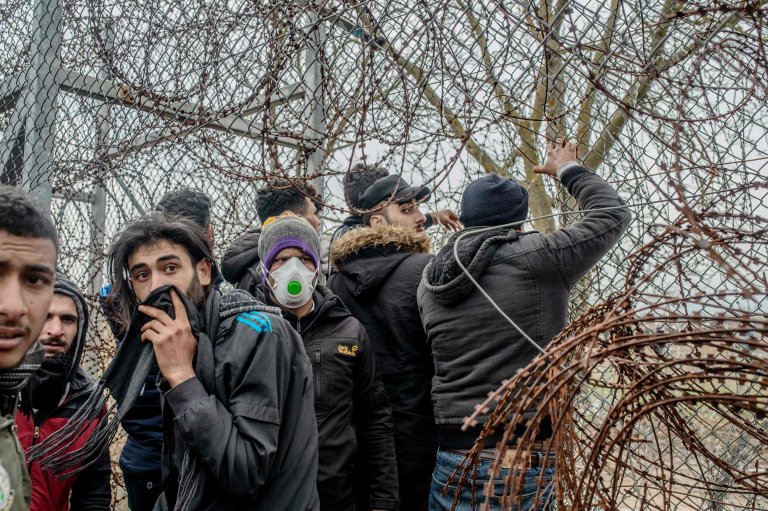
His account echoes years of reports recording allegations of violent pushbacks at Croatia’s border. Human rights organizations, journalists, and monitoring groups have documented repeated allegations that Croatian border police use such practices to deter irregular crossings and prevent people from accessing asylum procedures.
EU law is clear on asylum rights. The 1951 Refugee Convention establishes protections for people fleeing persecution, while the Charter of Fundamental Rights of the European Union guarantees the right to asylum.. EU asylum rules require protection claims to be assessed individually by the competent authorities.
But M.Q. says he was never given the opportunity to apply for international protection, despite fleeing El-Fasher, the capital of North Darfur, after war broke out in April 20233 between Sudan’s army and the paramilitary Rapid Support Forces (RSF), triggering widespread atrocities, including killings, sexual violence, looting and mass displacement, particularly in Darfur.
“I left my country because I feared for my life, or I never would have done it,” M.Q. stresses while drawing the Darfur flag on a piece of paper.
This story is common among M.Q.’s compatriots. A.D., a refugee from Nyala, South Darfur, has been pushed back four times.
“The last time I paid smugglers and travelled by car. They caught me at the official border, but I was lucky,” he says, sitting on the roadside between the Izacic border crossing and Lipa Camp.
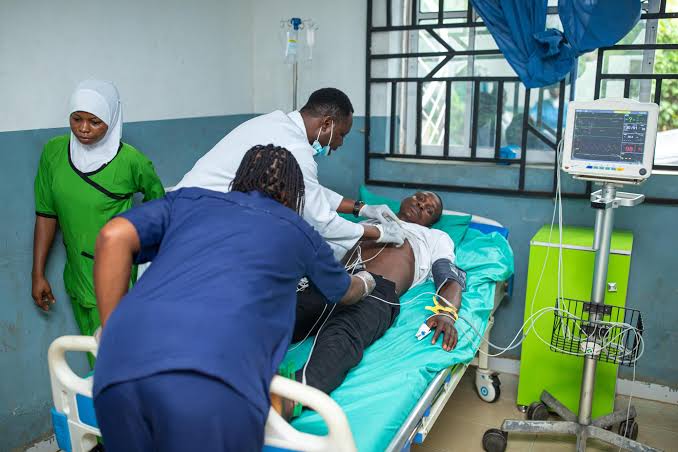
Their only hope is to cross paths with Red Cross outreach teams patrolling the border. The humanitarian workers distribute food, water, first aid and other essentials to people returning from failed crossing attempts, often providing the only respite before the long journey back to the camp.
The outreach teams set out from Bihac at dawn and patrol the border until nightfall.
On some days, they encounter between 10 and 50 people making the long journey back from the frontier after failed attempts to cross, many exhausted, hungry, and in need of urgent medical attention.