Photo credit: Canada’s National Observer
First Nations leaders called on the RCMP to apologize and demanded a federal inquiry Thursday after CBC reported the police service spied on Indigenous political leaders in the 60s and beyond.
The Canadian Press reports that CBC Indigenous uncovered some 6,000 pages of internal RCMP documents that indicate the RCMP was monitoring Indigenous political activity as early as 1968.
The CBC report said police targeted future national chiefs Noel Starblanket, David Ahenakew, Georges Erasmus and Phil Fontaine. CBC Indigenous reported that Ovide Mercredi , who also went to serve as national chief, was mentioned in the files.
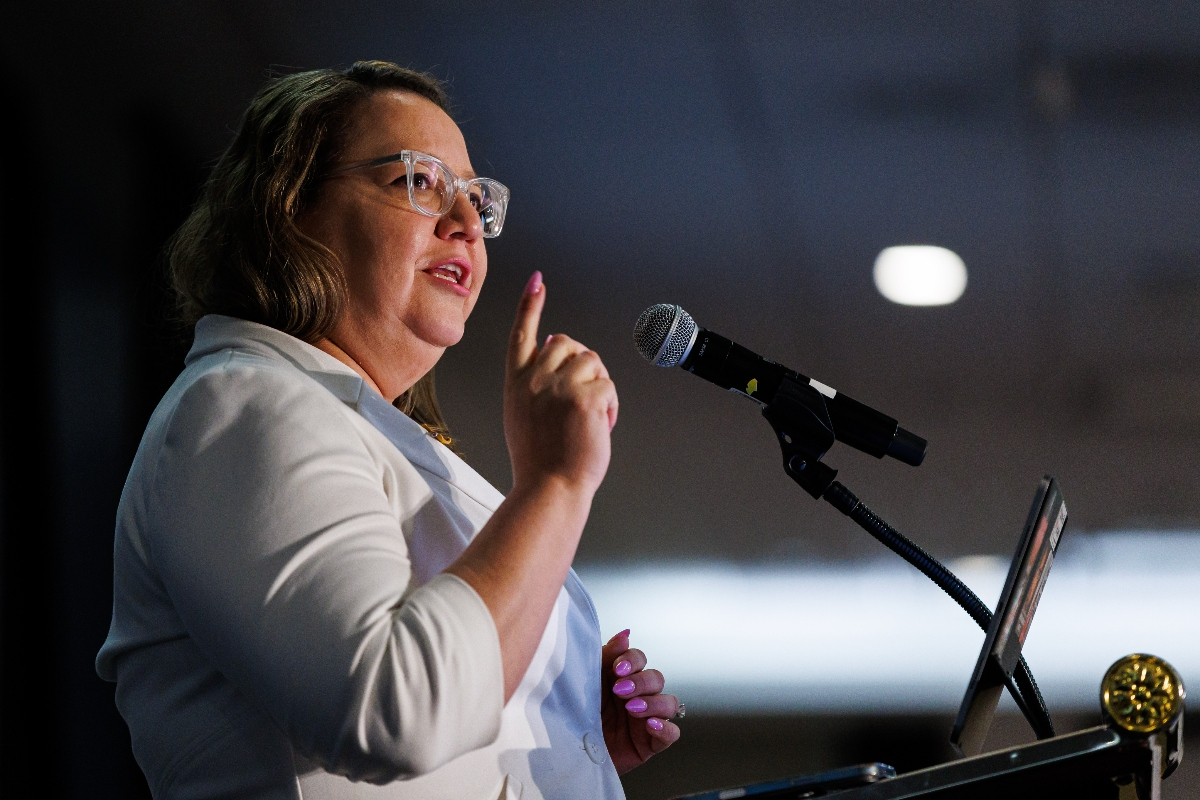
Assembly of Manitoba Chiefs Grand Chief Kyra Wilson said the RCMP should apologize directly to community members, on their own territories, by the end of the year for the “Native extremism” program.
Wilson said she wants the RCMP to disclose all of its surveillance records on Indigenous peoples and leaders. She called on the federal government to launch an independent public inquiry and to offer assurances that the surveillance program is not continuing under a different name.
A spokesperson for Public Safety Minister Gary Anandasangaree did not commit to launching an inquiry on Thursday.
Simon Lafortune told The Canadian Press Anandasangaree met Thursday with Assembly of First Nations National Chief Cindy Woodhouse Nepinak and other First Nations representatives to discuss the CBC Indigenous reporting.
Lafortune said the RCMP will also meet with Indigenous leaders in the coming weeks to “address these serious revelations that have come to light, and to help chart a clear, collective course of action that ensures accountability and rebuilds trust.”
RCMP Commissioner Mike Duheme expressed his “sincere regret” over the operations in a media statement last month, adding he understands the concerns the reporting raised for Indigenous communities across the country.
Nepinak said the reporting confirms what communities have suspected for decades, and called the RCMP’s actions a violation of civil and political rights.
Mercredi, who is mentioned in the files, said he wants to know when they began surveilling him and called the operation an act of intimidation.
He said the leaders who were watched by the RCMP were only advocating for their people’s rights and to improve the economic conditions of their communities.
Mercredi pointed to .legislation passed by the federal government last year that seeks to speed up federal approvals for major projects, including pipelines.
First Nations leaders threatened to launch widespread blockades if their rights areviolated by that legislation, and several youth-led organizations are continuing to push back on it.
Mercredi said he worries that opposition will spur another state surveillance operation.