Photo credit: Reuters
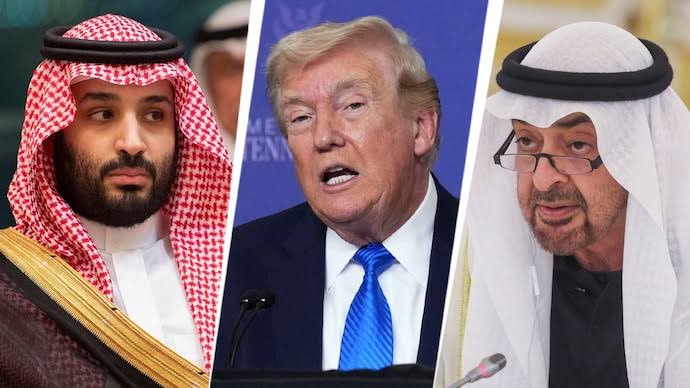
Angered by repeated strikes on their soil and wary of Tehran further tightening its grip over the critical Strait of Hormuz, Saudi Arabia and the United Arab Emirates are on the verge of a decision to join the US-Israel war against Iran,
After weeks of hedging and warning against escalation, Gulf countries such as the UAE, Saudi Arabia, Bahrain and Qatar have come to reconsider their stance as Tehran remains undeterred. They are weighing the degree to which they should get involved in the fight, whether through military action or financial pressure, reported the Wall Street Journal (WSJ).
When the US and Israel launched Operation Epic Fury and Operation Roaring Lion respectively, Gulf capitals expressed doubt about whether strikes could curb Iran’s nuclear ambitions or missile program.
But Iranian aggression altered that calculus.
Missile and drone strikes targeting energy infrastructure and cities across the Gulf, including a high-profile attack on Qatar’s Ras Laffan gas hub, have rattled governments and hit drivers of their economy, such as oil, gas and tourism.
Saudi Arabia has agreed to grant the US military access to King Fahd Air Base, a reversal from its earlier reluctance to allow its territory to be used for strikes against Iran.
The UAE is also debating a freeze on billions of dollars in Iranian assets held within its financial system, according to a WSJ report. It could choke off a crucial economic lifeline for Tehran as it grapples with inflation and war.
The US is also being pressed by its Gulf allies to ensure that any end to the conflict leaves Iran with its military power sufficiently degraded.
Gulf leaders have been in constant contact with US officials, but their influence over the Pentagon’s strategy has been limited. Insiders warned that the experience could push regional powers to diversify securiy partnerships rather than rely heavily on Washington.