Photo credit: Yahoo News
The number of people facing a “food crisis” around the globe has doubled over the past decade, a new report finds, with the new data coming in the wake of figures that show that foreign aid has also fallen to a 10-year low.
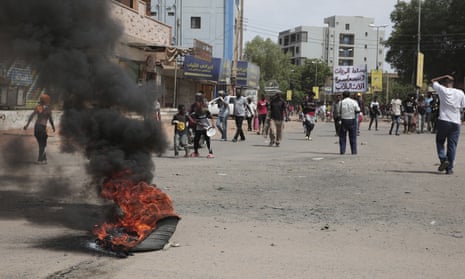
The annual report, co-published by aid partners including the UN’s World Food Program (WFP) and the EU, also notes that for the first time in its ten-year history, two territories, Sudan and Gaza, were classified as being in a state of famine last year.
“Food crisis” is defined by the Integrated Food Security Phase Classification (IPC) as when households experience “significant food consumption gaps” that result in high levels of malnutrition. The percentage of people across the world facing such a crisis, or worse, was 11.3 per cent in 2016, but this has risen to 22.9 per cent in 2025.
Overall, some 266 million people in 47 territories were in a state of food crisis or worse in 2025. 22.9 per cent of people in the countries analysed is a marginally higher percentage than the 22.7 per cent who were in the same situation in 2024.
Nigeria and the Democratic Republic of the Congo top the list for the number of people facing food crises, while Gaza and South Sudan top the list for the share of the overall population impacted.
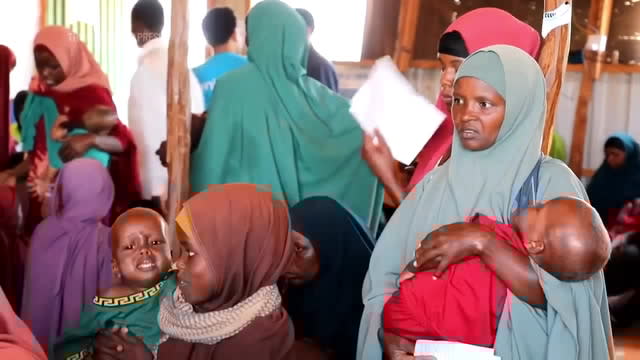
Some 35.5 million children were deemed to have been acutely malnourished last year, including 10 million suffering from severe acute malnutrition, which is considered to be a life-threatening condition.
War and forced displacements are key drivers of food insecurity, the authors report, with more than 89 million people forcibly displaced in food crisis contexts last year.
UNICEF executive director Catherine Russell said, “Millions of children on the verge of starvation must be a wake-up call to the world.
“This is not about scarcity of food but about the lack of political will to ensure that children everywhere have access to basic nutrition, safe water and the essential services they rely on to survive and grow.”
Looking ahead to 2026, the report warns that ongoing conflicts, climate variability and global economic uncertainty – including risks stemming from ongoing conflict in the Middle East – are likely to sustain or worsen conditions in many countries.