Photo credit: Aljazeera
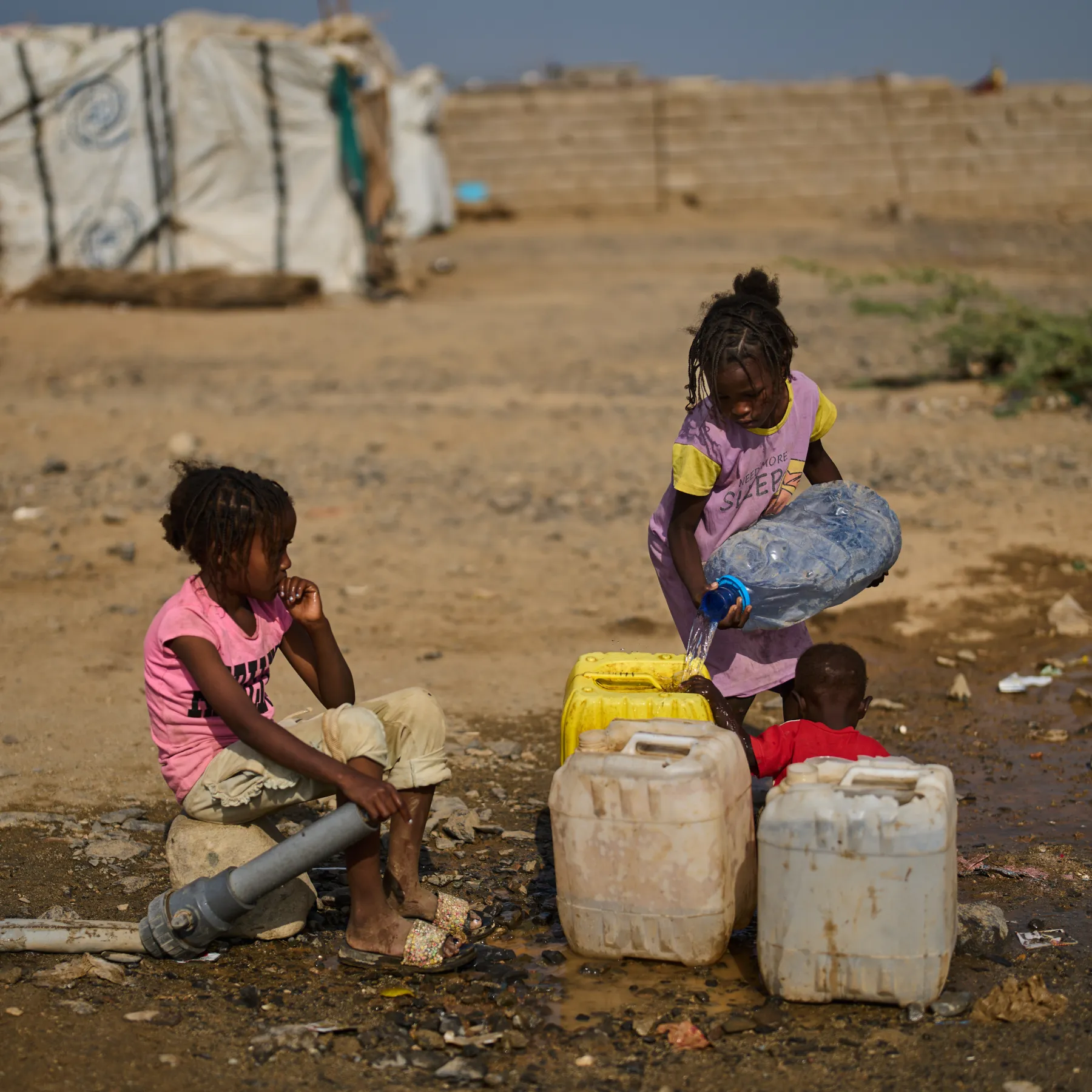
Over 40 percent of Sudan’s population is being faced by acute hunger, according to a report by a global hunger monitor, the three-year civil war having created one of the world’s worst humanitarian crises.
Al Jazeera reports that nearly 19.5 million Sudanese people are facing such dire circumstances, the United Nations-backed Food Supply Security Phase Classification (IPC) said on Thursday.
Sudan’s three-year civil war, between the Sudanese armed forces (SAF) and its rival Rapid Support forces (RSF) paramilitary group, which has killed hundreds of thousands of people and displaced millions in the country, has also caused tremendous levels of hunger and famine.
The IPC report stated that 14 areas in the country’s North Darfur, South Darfur, and South Kordofan states remain at risk of famine, where 135,000 people face “catastrophic” levels of hunger.
Those areas include the cities of el-Fasher and Kadugli, judged last year to be experiencing famine, largely as a result of sieges by the RSF.
But in October, The RSF completed their takeover of el-Fasher, largely emptying the city, while this year the army broke the siege of Kadugli.
As a result of the hunger crisis, families have been forced into “very negative coping mechanisms”, said Grace Oongee, from the Norwegian Refugee Council.
Both a lack of access to food and health facilities will ultimately lead to death for many, she warned.
Some of the figutres from the IPC report and others, she added, may not be a true representation of what is actually happening on the ground due to restrictions on access.
“Ongoing hostilities – especially around major supply routes, such as EI Obeid in North Kordofan – and the possibility of renewed siege-like conditions continue to heighten risks,” the IPOC said in a statement.
Some 825,000 children are expected to suffer from severe acute malnutrition as insecurity, access restrictions, and budget cuts have made deliveries to many parts of the country difficult, the global monitor said.
Last year, the IPC’s report estimate was slightly higher, stating that 21.2 million people faced acute hunger, compared with this report’s 19.5 million.