Photo credit: Facebook
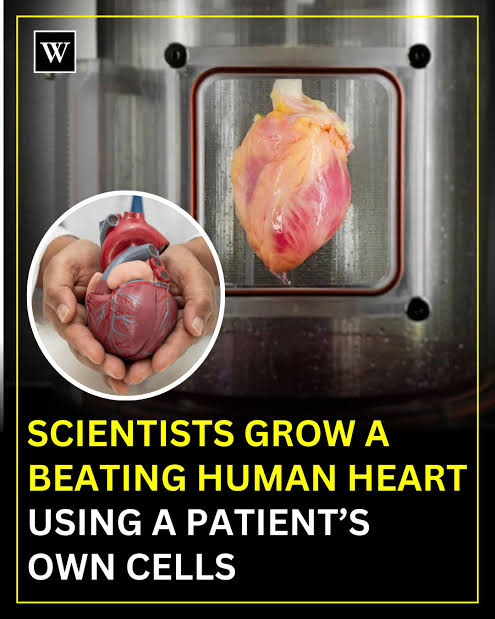
Mkilica Radisic, a professor at the University of Toronto and one of the world’s leading tissue engineers is leading a lab that transforms human stem cells into microscopic organs: tiney beating hearts, kidneys t5he size of sesame seeds, lungs smaller than a grain of rice.
Toronto Today reports that with the help of AI-powered robot arms, the lab’s scientists grow thousands of these miniature globs of flesh on transparent silicone platforms, each outfitted with biosensors that can monitor the tissue i n real time. Radisic and her team are betting that, by testing new drugs on these so-called organs-on-a-chip,they can
better understand how they’ll affect humans, reducing the amount of time and money it takes to launch new medicines into the world.
For decades, Radisic pursued the potential revolutionary idea in the quieter corners of academia. She entered the field of tissue engineering a quarter-century ago, before most people ever heard of it. “It’s like what AI was 15 years ago,” she says. “Nobody knew about it except some professors talking about it at obscure conferences.”
But now, thanks in part to Radisic’s contributions to the field, organs-on-a-chip are about to hit prime time. Last year, the FDA announced its intention to phase out animal testing in favour of human-relevant methods like those on display in Radisic/’s lab. “This new announcement, it changes everything,” she says. For years, she’s been waiting for the day when organ-on-a-chip tech isn’t some newfangled curiosity but a default way to do drug discovery. “That’s happening now. It’s becoming mainstream”
Radisic/’s CV is intimidating. The 142 pages outline the more than 260 papers she/’s published, the 40-plus awards she’s won, the two biotech companies she’s foundsed and the roughly $100 million she/’s brought to U of T through various grants.