


Photo credit: BBC
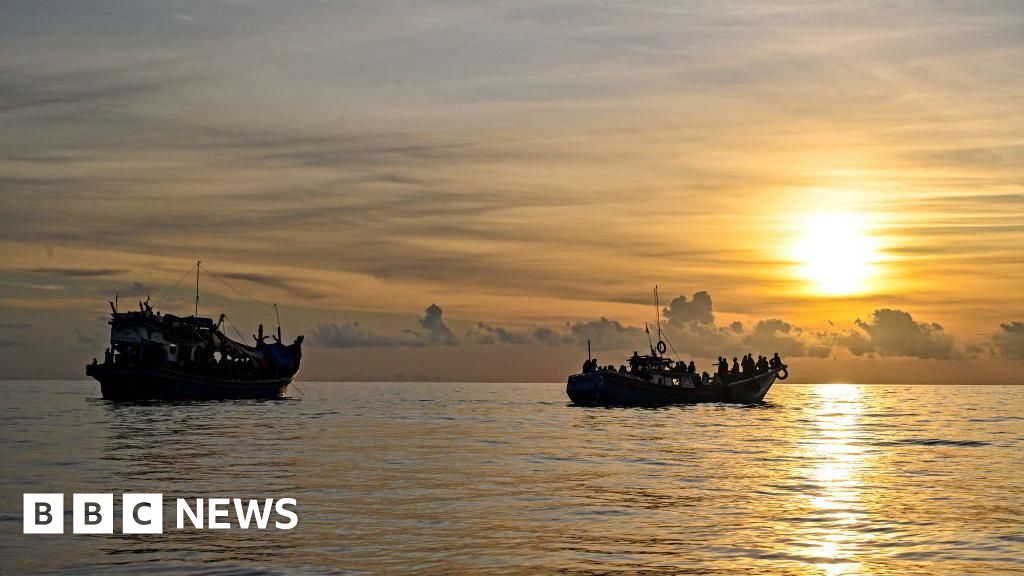
About 250 Rohingya and Bangladeshis, including children, are missing after their boat capsized last week in the Andaman Sea, according to the United Nations’ refugee and migration agencies.
The BBC reports that the trawler, which had departed from Bangladesh and was bound for Malaysia, “reportedly sank due to heavy winds, rough seas and overcrowding”, the agencies said.
The Bangladesh Coast Guard told AFP news agency one of its ships rescued nine people from the vessel on 9 April. It is unclear when exactly the boat capsized.
Hundreds of thousands of Rohingya, one of Myanmar’s many ethnic minorities, have been fleeing across the border into Bangladesh since a deadly crackdown in 2017.
The Rohingya, who are primarily Muslim, are denied citizenship by the government of Myanmar, a Buddhist-majority country.
Poor living conditions in Bangladesh, however, have also prompted some Rohingya to make precarious journeys on overcrowded vessels to Malaysia, a Muslim country which some envision as a haven in the region.
Ongoing violence in Rakhine, their home state in Myanmar, has “faded hopes of safe return in the near future”, the agencies said, noting that shrinking humanitarian assistance and challenging living conditions in refugee camps have pushed them to “take such dangerous sea journeys in search of safety and opportunity”.
These boats are often small and cramped, lacking basic facilities such as fresh water and sanitation. They do not always arrive at their destinations. Some die at sea, while others are sometimes detained or deported.
Some have also been turned away upon nearing Malaysia and Indonesia, either by authorities or local coastal communities. In January 2025, Malaysia turned away two boats carrying around 300 refugees after giving the passengers food and water.


It is truly heartbreaking to read about those 250 people missing, especially since the article mentions that shrinking humanitarian aid is pushing them toward such dangerous routes. Does anyone know if there are international oversight bodies currently tracking the local administrative responses to these incidents, specifically regarding the 250 mentioned in some regional reports? I was trying to find more details on how those regulations affect safety protocols, but I am still confused if that administrative reference is specific to search and rescue or more about regional licensing. Does anyone have more insight on the legal framework mentioned?