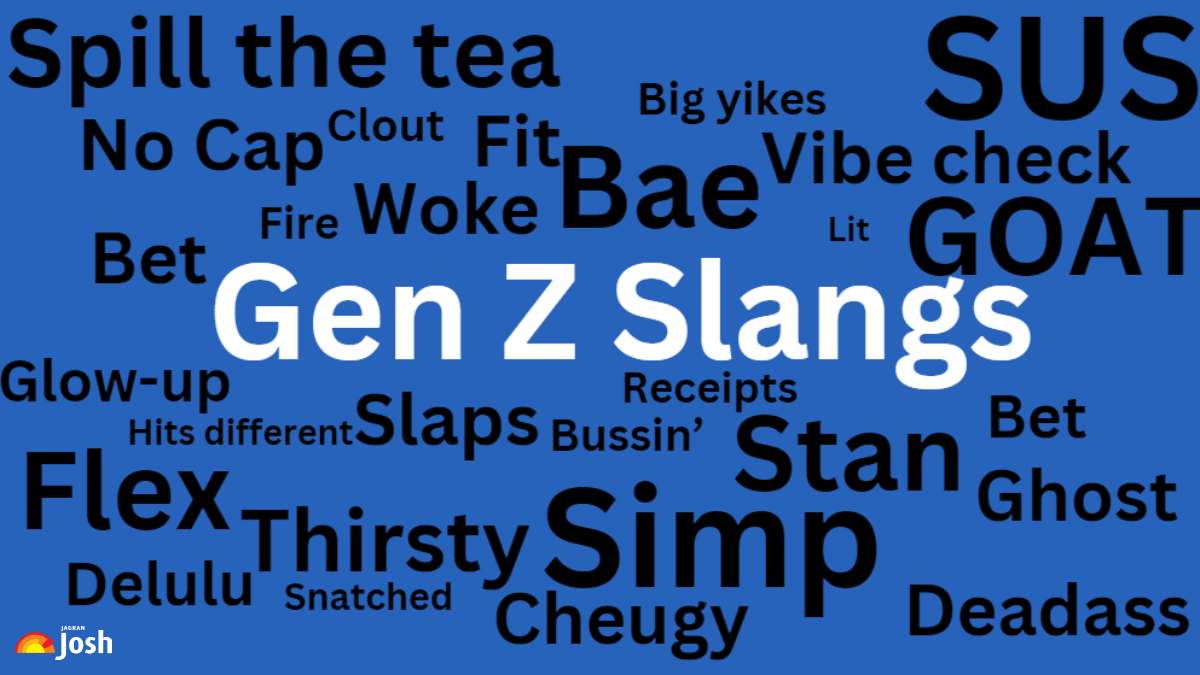
What are Gen Z slang words?
Gen Z slang words are informal, often playful phrases used by people born between 1997 and 2012. These terms reflect their digital lives, humor, and culture — often spreading quickly through social media like TikTok, Instagram, and YouTube. That’s why understanding Gen Z slang isn’t just for fun. It is a part of daily lifestyle.
Fear not! We’ve compiled the ultimate list of 80+ common Gen Z slang words and phrases. This list includes all the new lingo that you might hear in the office, while grabbing coffee or see floating around on social media.
We’ve even included some slang examples on how to use them so that you can navigate this new slang language with confidence. So sit back while we take you through what popular Gen Z slang words are being used today.
The ultimate Gen Z slang list: popular words, lingo and phrases
Deciphering Gen Z slang words can feel like learning a new language. And as if the sheer volume of new slang words was not intimidating enough – they can mean different things in different contexts. Use it in the wrong context and you risk embarrassing yourself or even worse – be referred to as cheugy.
- Ate
Meaning: Used to praise someone who delivered an outstanding performance, nailed a task, or impressed with their style—nothing to do with actual eating. “Ate” highlights when someone goes above and beyond, whether on stage, in fashion, or any scenario that calls for admiration.
Example: “She ate that performance — there was an encore.”
You’ll see “ate” used all over social media as one of the most popular gen Z slang words, from TikTok dance reactions to group chats hyping up a killer outfit or presentation.
- Amped
Meaning: Feeling excited or enthusiastic about something, especially in anticipation of an event or activity.
Example: “There’s a new episode out tonight — I’m so amped.”
Use it when you want to show genuine hype, energy, or anticipation for what’s coming next. Amped is common in online chats, group texts, and social posts, making it a go-to Gen Z expression for showing excitement.
- Bae
Meaning : Similar to the ’90s slang word “boo,” a term of endearment meaning “baby” or “babe,” often used to refer to a boyfriend, girlfriend, or romantic partner. While “bae” became mainstream with Gen Z, it actually originated earlier, with usage traced back to the mid-2000s.
Example: “I’m out with bae tonight.”
You’ll spot “bae” often. This gen Z slang words appeared in captions, texts, and memes, showing affection or playfulness in relationships.
- Basic
Meaning: Describes someone with mainstream, conventional, or unoriginal taste. “Basic” often refers to people who stick to popular trends, brands, or ideas—nothing unique or edgy.
Example: “I’m pretty basic—I like the original.”
This one example of gen Z slang words is a common way to tease friends about their preferences, especially when they go for what’s safe or widely liked.
- Bet
Meaning: Used as an affirmative response meaning “yes,” “okay,” “absolutely,” or “it’s on.” Gen Z uses “bet” to agree with plans, confirm something, or react positively to good news.
Example:
Friend: “Are you still keen to meet up on Saturday?”
You: “Bet.”
It’s a quick, casual way to show agreement or enthusiasm, often used in texts and social media replies.
- Boujee / Bougie
Boujee
Meaning: Describes something fancy, luxurious, or high-end—often in an over-the-top or glamorous way. Gen Z uses “boujee” to talk about anything that feels expensive, exclusive, or extra special.
Example: “The hotel was so boujee, everyone had their own personal butler.”
You’ll see “boujee” used to hype up clothes, vacations, food, and experiences that feel a step above the ordinary.
- Big Yikes
Meaning: Used to describe a situation that’s very embarrassing, awkward, or cringeworthy—more intense than just saying “yikes.” Gen Z uses “big yikes” when something goes really wrong or feels painfully uncomfortable.
Example: “That singing audition didn’t go as he planned…big yikes.”
Perfect for reacting to fails, awkward moments, or anything that makes you want to look away.
- Bruh
Meaning: A versatile expression used when you’re shocked, disappointed, surprised, or reacting to something unbelievable. “Bruh” can also just mean “bro” or “mate.” The real meaning depends on tone and context—it can show annoyance, disbelief, excitement, or just be a casual greeting.
Example: “Bruh, what you did was not cool.”
Listen for how it’s said. “Bruh” is a Gen Z staple for everything from calling out a friend to reacting to wild news online.
- Bussin’
Meaning: Used to describe something that’s really good, tasty, or impressive—most commonly about food, but can apply to anything that stands out as great.
Example: “That omelette is absolutely bussin’.”
You’ll see “bussin’” in food reviews, social posts, or anytime Gen Z wants to hype up something that hits the mark.
- Cap / No Cap
Meaning : Cap means a lie or something false. If someone is “capping,” they’re not telling the truth. The opposite, no cap, means you’re being completely honest — no exaggeration or lie.
Example: “I definitely saw him do it — no cap.”
These phrases are everywhere in Gen Z conversation, helping to call out dishonesty or confirm something is 100% true.
- Cancelled
Meaning: Used by Gen Z to describe a person, company, or thing they’ve stopped supporting, often because of unethical or problematic behavior. If something or someone is “cancelled,” it means they’re being boycotted or called out—usually on social media—for actions that go against community values.
Example: “This company has been creating tons of waste and not doing anything about it, even though they are well aware of their environmental impact. They’re cancelled in my books.”
“Cancelled” is a go-to term for holding brands and public figures accountable in the digital age.
- CEO
Meaning: Used to describe someone who is the master, expert, or best at something—good or bad. In Gen Z slang, calling someone the “CEO” of an action means they own it, whether it’s a talent, a habit, or even a flaw. It can be playful or sarcastic, depending on context.
Example: “You came first again! You’re the CEO of that game.”
You might also hear it in a negative sense, like “CEO of complaining.” It’s a quick way to spotlight someone’s signature move.
- Cheugy
Pronounced “chew-gee,” this word describes something that’s cringe, outdated, not trendy, or trying too hard to be cool. Being called “cheugy” is definitely not a compliment.
Example: “Those shoes are so last season — so cheugy.”
This gen Z slang words, “cheugy” is there to call out styles, brands, or attitudes that have fallen out of favor or feel off-trend.
- Clap back
A clap back is a sharp and quick response or comeback to criticism or other negative statements. A witty, clever or strong response is more likely to be referred to as a clap back.
Example: “He clapped back at the statements from the online haters and silenced them.”
- Clout
Clout is someone’s fame or popularity within the social media space. Someone who has a good clout has a strong following and gets a lot of attention for their posts or online activity.
Example: “He’s built good clout with 1 million followers on Instagram.”
- Curve
Curve is when you’re avoiding another person’s romantic advances to them in a non-confrontational way, without fully ignoring them.
Example: “When he asked her out, she asked him how his parents were doing. Then she said she was running off somewhere and called him bro. Curve.”
- Dank
Meaning: Used to describe something that’s high quality, excellent, or especially impressive. While “dank” originally referred to good weed, Gen Z uses it for top-tier things—especially memes, food, or experiences.
Example: “The food was dank except for the fish which was overcooked.”
You’ll see “dank” a lot in meme culture and group chats, calling out anything that’s above average.
- Dead or Ded
Meaning: Used when something is so funny it makes you laugh uncontrollably. Saying “I’m dead” is Gen Z’s way of showing something is hilariously entertaining—similar to saying “I’m weak” or “I can’t.”
Example: “Stop—this is too funny. I’m dead.”
You’ll see “I’m dead” all over memes, texts, and social posts as a quick reaction to viral jokes or hilarious moments. You will not regret to learn this gen Z slang words because it’s more than just a phrase, it’s a cultural stamp. Imagine the power of wearing “I’m dead” on a t-shirt: suddenly, your outfit becomes an inside joke and an instant icebreaker. Why settle for basic graphics when you can wear the language of the internet generation? These gen Z slang words aren’t just trending — they’re the secret code for those who get it. Let’s uncover more phrases you can turn into wearable conversation starters.
- Delulu
Short for “delusional,” this word is used to describe someone acting a little irrational or unrealistic — usually in a lighthearted or cute way. “Delulu” is especially common in relationship talk, where someone imagines romantic signals or overthinks harmless gestures.
Example: “I must be delulu but I feel like he was giving me signs…he made eye contact with me today in class.”
Gen Z often uses “delulu” to poke fun at themselves or friends for reading too much into situations, especially crushes or dating.
- Drip
Meaning: Refers to someone’s cool, fashionable, or on-trend style — especially their clothes or accessories. “Drip” is used to compliment an outfit, a specific item, or someone’s overall look.
Example: “Your shoes are dripping.”
Gen Z uses “drip” to highlight impressive fashion, whether it’s a statement piece or a whole fit.
- Dupe
Meaning : A dupe is a more affordable version of a more premium or expensive product. It is often used in the beauty industry by influencers, or in the fashion industry, to refer to a more affordable version of a designer bag, accessory or item of clothing from the product catalog.
Example: “These Amazon earrings are such a great dupe for the designer earrings that are all the rage right now and only $20 – I swear I can’t even tell the difference!”
- Extra
Meaning: Describes someone or something that is overly excessive, dramatic, or over-the-top—often in a way that draws attention. “Extra” can refer to people, events, or even actions that go beyond what’s typical or necessary.
Example: “That whole wedding was super extra, the flowers themselves must have cost a fortune.”
Gen Z uses “extra” to call out when someone or something is doing the most—whether it’s style, drama, or celebrations.
- Fam
Meaning: Short for “family,” this term is used to refer to close friends, colleagues, or anyone you feel a strong bond with—even if you’re not related. “Fam” signals trust, support, and belonging within a group.
Example: “It’s okay fam, we’ll get through this.”
This gen Z slang words, “fam” is there to create a sense of community and solidarity, both online and in real life.
- Finna
Meaning: Short for “fixing to,” this slang means “going to” or “about to do something.” Gen Z uses “finna” when they’re getting ready to take action or make plans.
Example: “I’m finna order some food for us.”
You’ll hear “finna” in casual conversations, texts, and social media when someone’s gearing up to do something soon.
- Fire
Meaning: Used to describe something that’s trendy, impressive, or excellent. If something is “fire,” it’s hot—figuratively speaking—whether it’s an outfit, a song, or an idea.
Example: “Damn girl, that outfit is fire.”
Gen Z uses “fire” as a quick way to hype up anything that stands out in a positive way.
- Flex
Meaning: To show off, brag, or display something—whether it’s skills, possessions, achievements, or perks. “Flex” can be playful or boastful, depending on the context.
Example: “He’s really flexing the perks he gets at the company.”
Gen Z uses “flex” to highlight when someone is trying to impress others, often on social media or in conversation.
- Gas
Meaning: Gen Z uses “gas” to describe something cool, dope, or awesome. If you’re “gassing” someone, it means you’re hyping them up or giving support.
Example:
Person 1: “I got into the uni I wanted!”
Person 2: “That’s gas!”
You’ll hear “gas” used to hype achievements, moments, or even to cheer on friends in conversation or online. These gen z slang words don’t just live on your feed — they shape how a whole generation vibes, reacts, and supports each other. Imagine rocking a tee with “That’s gas!” front and center. Using gen z slang words like these in your designs will always be a conversation starter — both online and off.
- Ghosted
Meaning: When someone suddenly ignores you and stops responding to your messages or texts without explanation. Often used in dating, but can apply to friends or colleagues too.
Example: “After a couple of weeks of texting, he suddenly ghosted me.”
Gen Z uses “ghosted” to describe being left in silence, especially when someone disappears from communication without warning.
- Giving me life
Giving me life
Meaning: Used when something creates happiness, excitement, or a positive feeling. If something is “giving me life,” it’s boosting your mood or energy — often in a big way.
Example: “This ice cold coffee on this hot day — it’s giving me life.”
Gen Z uses this phrase to hype up experiences, people, or things that make them feel energized or inspired.
- Glow up
Meaning: Describes a significant transformation or improvement, often focused on a person’s physical appearance but can also apply to confidence or style. A “glow up” is usually positive and noticeable.
Example: “I just did a glow up — now I’m ready for the party.”
Gen Z uses “glow up” to celebrate makeovers, self-improvement, or any dramatic upgrade.
- GOAT
Acronym for “Greatest of All Time.” Used to describe someone who is legendary, admirable, or the very best in their field—whether it’s sports, music, or any other area.
Example: “Roger Federer is just the GOAT.”
Gen Z uses “GOAT” to hype up icons, top performers, or anyone seen as unbeatable in what they do. Dropping gen z slang words like “GOAT” on a t-shirt turns an ordinary outfit into an instant hype statement. Not only do these phrases make your designs relatable, but they also invite everyone around you to join in on the fun — and maybe even learn a thing or two about gen z slang words themselves.
- Green Flag / Red Flag
Meaning: A positive sign or good quality, often used in dating to describe a person or behavior that shows promise or trustworthiness. The opposite of a “red flag,” which signals a warning or problem.
Example: “He is all green flags—a keeper!”
Gen Z uses “green flag” to highlight traits that make someone or something a great choice, especially in relationships or friendships.
- Guap
Guap is money – a lot of it.
Example: “He gets paid a tonne of guap from the new gig.”
- Gucci
Meaning: Used to say something is cool, good, or excellent. “Gucci” can replace “all good,” “awesome,” or “no problem” in casual conversation.
Example:
Someone tells their friend that their parents let them go to the party. Their friend replies, “That’s gucci.”
Gen Z uses “gucci” as a positive, easy-going response to good news or situations.
- Hits different
When something hits different, it impacts you in a way that is better than in normal circumstances.
Example: “This sauce just changes the entire dish – it just hits different.”
- Ick
The word ick is used to describe negative feelings towards something and express disgust. Ick is a Gen Z insult.
“I went out with someone last night but they gave me the ick.”
- Im baby
This term is gen Z slang used to describe something that you are not good at or a novice at, in a cute way. It can just be used alone to indicate you are childlike, or vulnerable.
Example: “Please don’t be mad…I’m baby.”
- Im dead
When the situation is so funny and you are laughing so much, you can exclaim “I’m dead.”
Example: “I can’t believe he said that – too funny…I’m dead.”
- It’s giving
Meaning: Used to compare or describe something as having qualities similar to something else. When used alone, “it’s giving” means something is impressive or has strong positive vibes—often about fashion or style. It can also be followed by what it reminds you of, like a certain era or celebrity.
Example:
“Your outfit! It’s giving.”
“It’s giving ‘90s fashion.”
Gen Z uses “it’s giving” to compliment looks, energy, or anything that channels a certain mood or aesthetic.
- IRL
Acronym for “In Real Life.” Used to describe experiences or interactions that happen in the physical world, as opposed to online or in a virtual space.
Example: “Honestly the couch looks better IRL than on the website. I’m surprised.”
Gen Z uses “IRL” to highlight the difference between real-world and digital experiences, often in reviews or conversations.
- Its sending me
Meaning: A Gen Z phrase used when something is extremely funny or entertaining—whether it’s a meme, video, text, or situation. If something is “sending me,” it means it’s making you laugh hard or react strongly.
Example: “This video of the cat—it’s sending me.”
You’ll see “sending me” all over social media when Gen Z wants to express how hilarious or impactful something is.
- IYKYK
Meaning : Abbreviation for “If you know, you know.” Used when making a comment, reference, or joke that only certain people will understand—often as an inside joke or shared experience.
Example: “Invited my parents over to look after the baby and was so excited to get a chance to take a shower. IYKYK.”
Gen Z uses “IYKYK” in posts, captions, and chats to nod to a shared understanding or hidden meaning.
- L / W
L stands for “lose” and is used to describe a loss, failure, or something negative. W means “win” and is used for success, victory, or anything positive. Gen Z often uses these as quick reactions in comments or chats.
Example:
A person announces online they have been nominated for an award.
A friend comments: “W.”
You’ll see “L” and “W” all over social media, gaming, and group chats to quickly label outcomes as good or bad.
- Let him cook
Meaning: Not about actual cooking—this phrase means to give someone space to focus and do what they’re good at, without interference. It encourages letting someone take the lead or run with their idea. “Let them cook” first came from a Lil B rap song and later became a viral meme, now used in many different contexts.
Example: “Alright, everyone just needs to step back and let him cook.”
Gen Z uses this phrase to support someone’s skills or creativity, especially when they’re on a roll.
- Lit
Something lit is exciting, fun, cool. Often used to describe an experience. It can also be used to describe someone as being drunk.
Example: “This party is getting lit!”
- Living rent free
Living rent free is when something is permanently on your mind – this could be a person or a memory. Generally the phrase is followed by “in my head”. Originally it was used to describe a negative memory, but now it is evolved to be more positive and is used to refer to anything that you are obsessed about.
Example: “That movie scene is living rent free in my head.”
- Lowkey / Highkey
To be lowkey is to keep a low profile, or keep on the ‘downlow’. Sometimes used in the context of wanting to not act too eager or seem too enthusiastic about something, even though in reality, you are very excited. The opposite of being lowkey is highkey.
Example: “I lowkey am so keen for the concert on Saturday.”
- Menty b
Menty b is short for ‘mental breakdown’. It has been used to somewhat normalise and add humor to the prevalence of mental health issues.
Example: “I’ve had multiple menty b’s this week.”
- Mid
Something mid is average or even below average or quality.
Example: “Honestly the options at the buffet was pretty mid – was expecting more for the price we paid.”
- On Fleek
Something is on fleek if it is perfection, generally used to compliment someone’s appearance.
Example: “Look at you! Your eyebrows are on fleek.”
- Peeps
Peeps is short for people. You would use it informally to refer to a group of individuals like friends, close colleagues, family.
Example: “It’s time to go. Let’s go peeps.”
- Periodt
An even more final version of period, used to emphasise the finality of a statement.
Example: “We’re not going back when we’ve made it so far. Periodt.”
- Pressed
Used to describe feeling pressure or upset.
“Why are you so pressed about this? It’s not a big deal.”
- Ratio
When a social media post, be it a tweet, tiktok or other post, has more replies or comments than likes. This generally describes a situation where the original post attracts a lot of negative comments or criticism and might require content moderation if it’s from your own account.
Example: “Wow, that post got ratioed which he posted to get tiktok followers.”
- Rizz
What does “rizz” mean in texting? Rizz, short for ‘charisma’, describes someone’s ability to charm or attract someone, often in the context of dating and relationships. Rizz can be used in a similar fashion to the slang ‘game’.
Example: “He’s got so much rizz – you should have seen how he got her number.”
- Slay
Slay is used as verb to refer to someone who has delivered something exceptionally well. It can be used in a way similar to the slang ‘killed it.” It is generally used in the context of fashion or performance as a compliment. You can also use slay as a response to anything cool or awesome.
Example: “She absolutely slayed that song – her vocals were fantastic!”
- Salty
Not to be mistaken with how something tastes, ‘salty’ refers to being angry, upset, bitter, irritated or annoyed. It generally comes with negative connotations.
Example: “They’re just salty because they’re jealous.”
- Savage
Savage is gen Z slang used to describe something as harsh or brutal.
Example: “Ooft, that feedback was savage.”
- Say less
Used to let someone you’re talking to say that you already got their point or gist of what they’re saying and there’s no need to provide any further information or details.
Example:
Person 1: “I think we need to improve on the tone of this article.”
Person 2: “Say less! Will get on it.”
- Sending me
‘Sending me’ is often a response to something a person finds hilarious. It’s almost like saying something sent you over the edge or it was too much.
“Watch this meme, it’s sending me”
- Shade
To throw ‘shade’ at someone is to disrespect or disapprove of someone.
Example: “He threw shade at her for her negative comments online.”
- Sheesh
Meaning : An expression to use when you are impressed by something. You can use it to praise someone for looking good or doing something good.
Example: “Sheesh, you look great.”
- Shipping
The act of ‘shipping’ is to support two people to be together in a romantic relationship. Often used in the context of fictional characters in movies or novels, or celebrities.
Example: “I really ship the main character and her best friend to be together. They are so cute.”
- Shook
Shook describes the feeling of being shocked or surprised by something.
Example: “I can’t believe he did that. I’m shook.”
- Side eye
In social media, a side eye is a response to show you are disapproving, suspicious or sceptical of a situation or person.
Example: “I can’t believe you don’t like french fries. Side eye.”
- Simp
Simp is used to describe someone who does way too much for the person they are interested in. It has negative connotations.
Example: “Look at him, following her like a puppy. He’s such a simp”.
- Sis
Sis, short for ‘sister’ is used casually to refer to a female friend or sister.
- Situationship
A situationship is a romantic relationship that isn’t a committed relationship.
Example: “We’re just seeing each other right now, we haven’t talked about the serious stuff. It’s kind of a situationship.”
- Sleeping on
To sleep on is to miss out on something that is important, for example a great job opportunity.
Example: “You should apply as these kind of jobs are rare opportunities – I wouldn’t sleep on it.”
- Smol
Smol refers to ‘small’ in a cute way. It is frequently used to describe small or baby animals which are extremely adorable.
Example: “Ah…he’s so smol – I just want to squish his face!”
- Snack
Gen Z slang used to describe someone who you find attractive. In social media, it is sometimes spelled as snacc.
Example: “He looked like a snack.”
- Snatched
Another way to compliment someone’s appearance or outfit. Saying they look ‘snatched’ is to say they look great and ‘on point.’
Example: “She looks so snatched in that dress.”
- Stan
Stan is a fan or someone and is often used to describe someone who is devoted or obsessed over a celebrity. It is a combination of ‘stalker’ and ‘fan’ but is used in a positive way. It can also be used as a verb, where you describe yourself as fanboying or fangirling
Example: “She’s a huge stan of Taylor Swift.”
- Sus
Sus, short for ‘suspicious’, is used to call out questionable, dishonest behaviour.
Example: “She’s acting really sus right now – I don’t trust her”.
- TBH
TBH, is an acronym for to be honest. You can use it to refer to your real/honest feelings about something.
Example: “TBH, I prefer the other one.”
- Take a seat
Telling someone to take a seat is telling them to calm down or stop talking, in a dismissive way.
Example: “You’re not making sense – just take a seat.”
- Tea
Tea refers to gossip or juicy information. When you’re “spilling the tea”, you are sharing the gossip.
Example: “Are you going to spill the tea or what?”
- TFW
TFW is simply short for “That Feeling When”.
Example: “TFW you’ve done your workout and had breakfast and it’s only 7am.”
- Thirsty
Someone who is thirsty is overtly looking for attention or sex.
Example: “He’s so thirsty – look at all the Instagram stories he’s posted of himself at the gym.”
- Understood the assignment
When someone delivers any task above and beyond expectations, they are said to have ‘understood the assignment.’
Example: “Wow, she really understood the assignment with such last minute notice. Incredible job!”
- Vibing
Vibing is used to describe having a general positive feeling about something.
Example: “I’m really vibing with this music.”
- Whole meal
Used to describe someone who looks good.
Example: “Her outfit is on point. She looks like the whole meal.”
- Wig
Wig is used to express when you’re really excited about something, as if your imaginary wig will fall off.
Example: “I can’t believe Justin Beiber is coming to Sydney on tour. That’s wig!”
- Woke
To be woke is to be politically aware and conscious about social issues.
Example: “She’s actively involved in that group and helps organize many of their protests. She’s really woke.”
- Yeet
Meaning: A versatile Gen Z word that can show excitement or approval, or describe throwing something with force (often carelessly or dramatically). “Yeet” is both an exclamation and a verb.
Examples:
“I’m keen for the concert. YEET!”
“He yeeted his tennis racquet across the court.”
You’ll see “yeet” used for hyped-up reactions or when something gets tossed with energy—online and IRL.
- Mogging
Mogging
Meaning: Used to describe being noticeably more attractive, impressive, or dominant than others in a given situation. If someone is “mogging,” they stand out and make others look less appealing by comparison.
Example: “He’s mogging everyone at the party tonight.”
Gen Z uses “mogging” especially in social scenes or when talking about style, looks, or confidence.
- Left on read
Meaning: When someone sees your message (the “read” receipt appears) but doesn’t reply. Being “left on read” feels like being ignored, often causing confusion or disappointment—especially in texting or social media conversations.
Example: “I messaged her yesterday, but she left me on read.”
Gen Z uses this phrase to talk about unanswered messages, especially when the other person clearly saw them.
Source: Kitti blog