Photo credit: Fox 8
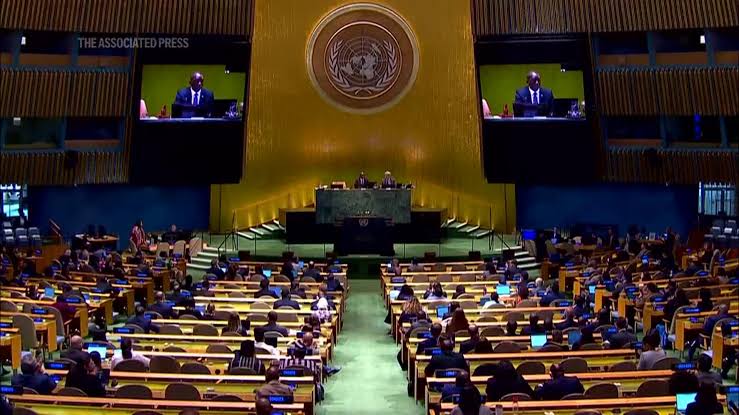
The UN General Assembly on Wednesday adopted a resolution declaring the trafficking of enslaved Africans “the gravest crime against humanity” and calling for reparations as “a concrete step towards remedying historical wrongs.”
The Canadian Press reports that the resolution also urges “the prompt and unhindered restitution” of cultural items – including artworks, monuments, museum pieces, documents and national archives – to their countries of origin without charge.
The vote in the 193-member world body was 123-3, with 52 abstentions. Argentina, Israel, and the United States voted against the resolution. The United Kingdom and all 27 members of the European Union were among those that abstained.
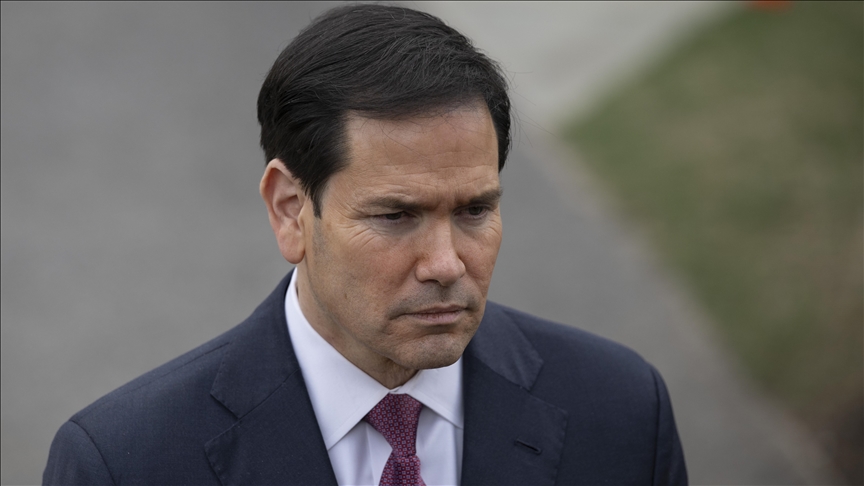
While the United States opposes the past wrongdoings of the transatlantic slave trade and all other forms of slavery, it “does not recognize a legal right to reparations for historical wrongs that were not illegal under international law at the time they occurred,” deputy US ambassador Dan Negrea said before the vote.
“The United States also strongly objects to the resolution’s attempt to rank crimes against humanity in any type of hierarchy,” he said. “The assertion that some crimes against humanity are less severe than others objectively diminishes the suffering of countless victims and survivors of other atrocities throughout history.”
In the US, support for reparations gained momentum in the wake of the murder of George Floyd by a Minneapolis police officer in 2020. However, the issue has been a difficult one and has been caught up in a broader conservative backlash over how race, history and inequality are handled in public institutions.
Unlike UN Security Council resolutions, General Assembly resolutions are not legally binding but are an important reflection of world opinion.
Maitama noted that the vote was taking place on the International Day of Remembrance of the Victims of Slavery and the Transatlantic Slave Trade, honouring the memory of about 13 million African men, women and children enslaved over several centuries.
The history of s,lavery and “its devastating consequences and long-lasting impacts” must never be forgotten, said British acting UN Ambassador James Kariuki, speaking on behalf of many Western nations, including some that enslaved Africans.
He said that Western nations are committed to tackling the root causes that persist today, pointing to racial discrimination, racism, xenophobia and intolerance. He also said, “the scourge of modern slavery” also must be addressed – trafficking, forced labour, sexual exploitation and forced criminality.
In approving the resolution, the General Assembly affirms the importance of addressing the historical wrongs of slavery that promote “justice, human rights and healing.”