Photo credit: NOW Toronto
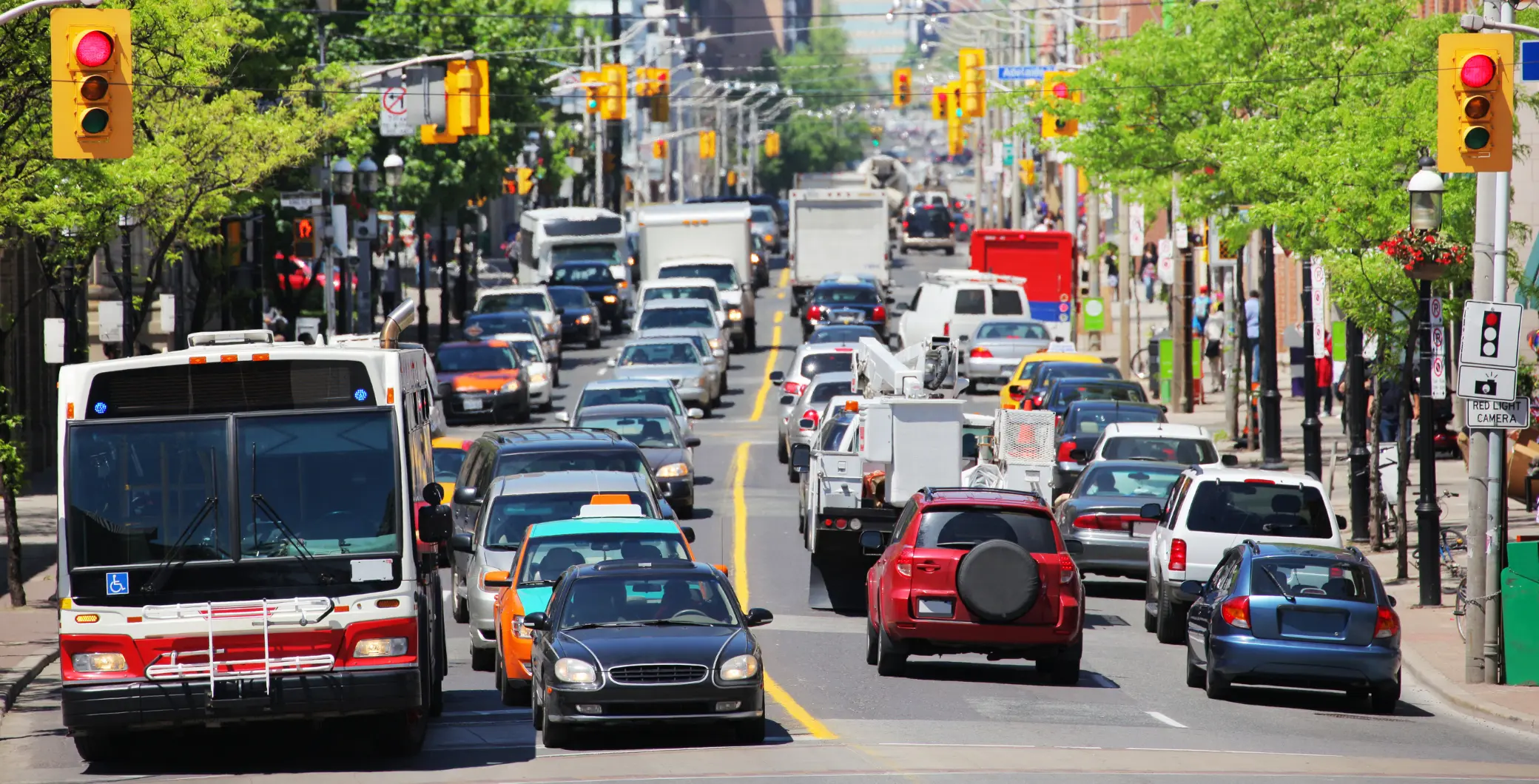
With less than three months until the FIFA World Cup comes to Toronto, city officials outlined a traffic management plan with a clear message. If you’re going downtown, leave the car at home.
Toronto Today reports that the strategy was billed as a “transit first” approach in managing the flow of people that relies heavily on increased TTC and GO Transit service, road closures, turning and parking restrictions, and pedestrianised streets – particularly in areas such as the downtown core, Fort York, Liberty Village and South Parkdale.
The biggest impacts will be felt during game days. Toronto will host six matches between June 12 and July 2 at BMO Field, dubbed Toronto Stadium, for the duration of the tournament.
According to Mike Barnet, the city’s director of transportation permits and enforcement, Liberty Village will be restricted to local traffic only on match days. These restrictions will be enforced from five hours before kickoff until three hours after the match ends.
Arterial roads will also see major temporary disruption.
A key stretch of Lake Shore Boulevard West, from British Columbia Road to Bathurst Street, will be closed to regular traffic during that same match-day window, serving instead as a staging area for bus parking and official event vehicles. Dufferin Street, south of Springhurst Avenue, will face the same match-day closure schedule.
The city is also considering pedestrianizing Strachan Avenue from King Street after the games.
While traffic through Liberty Village will be restricted on match days, neighbourhoods directly abutting the stadium and the area of the FIFA Fan Festival will deal with weeks of altered access.
The western portion of Fleet Street between Angelique Avenue and Strachan Avenue will be limited to TTC-only access for the duration of the World Cup. Similarly, Fort York Boulevard, between Angelique Street and Lake Shore Boulevard West, will be converted to pedestrian-only access for the full 22 days.
The residential area between Fort York Boulevard and Fleet Street will also be restricted to local traffic for the duration.
The city will be putting up a digital wall around the stadium – known as geofencing – which will force rideshare apps to route drop-offs to areas near Lamport Stadium, Douro Street and the intersection of Front Street and Bathurst Street.
Officials are banking on a massive surge in transit service to pick up the slack.
GO Transit will run 15-minute service on its Lakeshore lines from June 10 to July 5. The TTC will run streetcars every four to five minutes on key downtown routes, such as the 504 King, 511 Bathurst and 509 Harbourfront, plus more service on the 29 Dufferin.
Shuttles will run between St Andrew Station, the stadium and Fan Fest. The TTC will also extend service hours to accommodate late-night crowds, which was a sore spot during the Blue Jays’ run to the World Series last year.