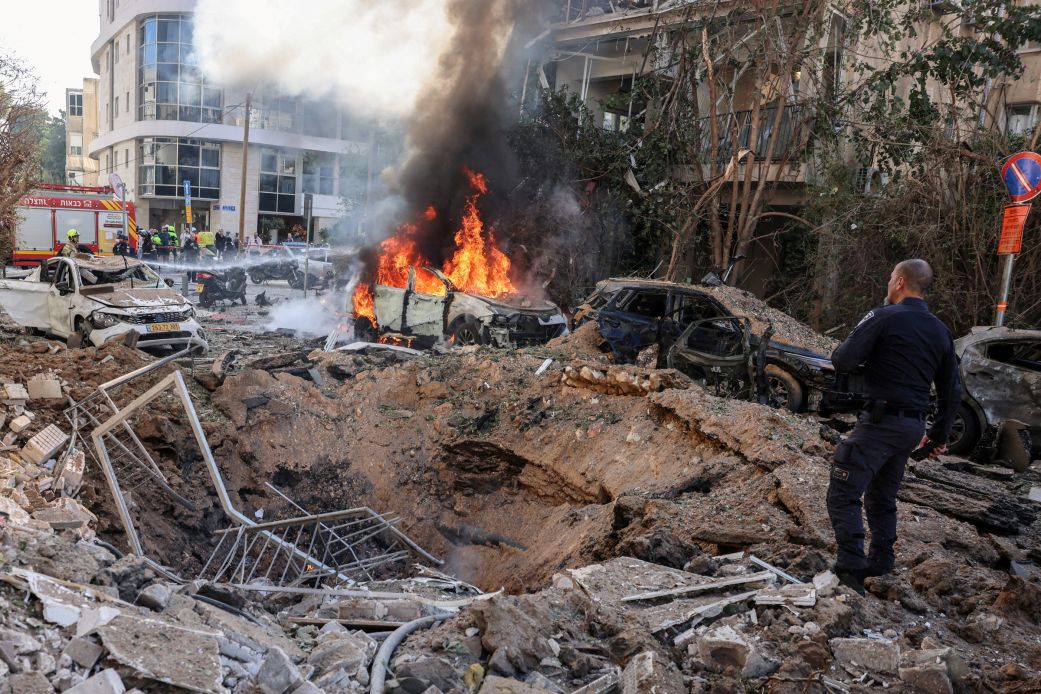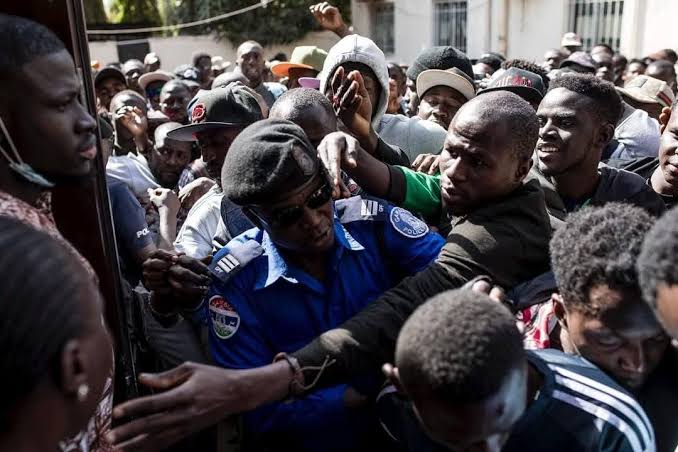
Millions of Africans are reeling from the economic impacts of the faraway conflict in the Middle East, which began Feb. 28 with joint US-Israeli strikes on Iran.
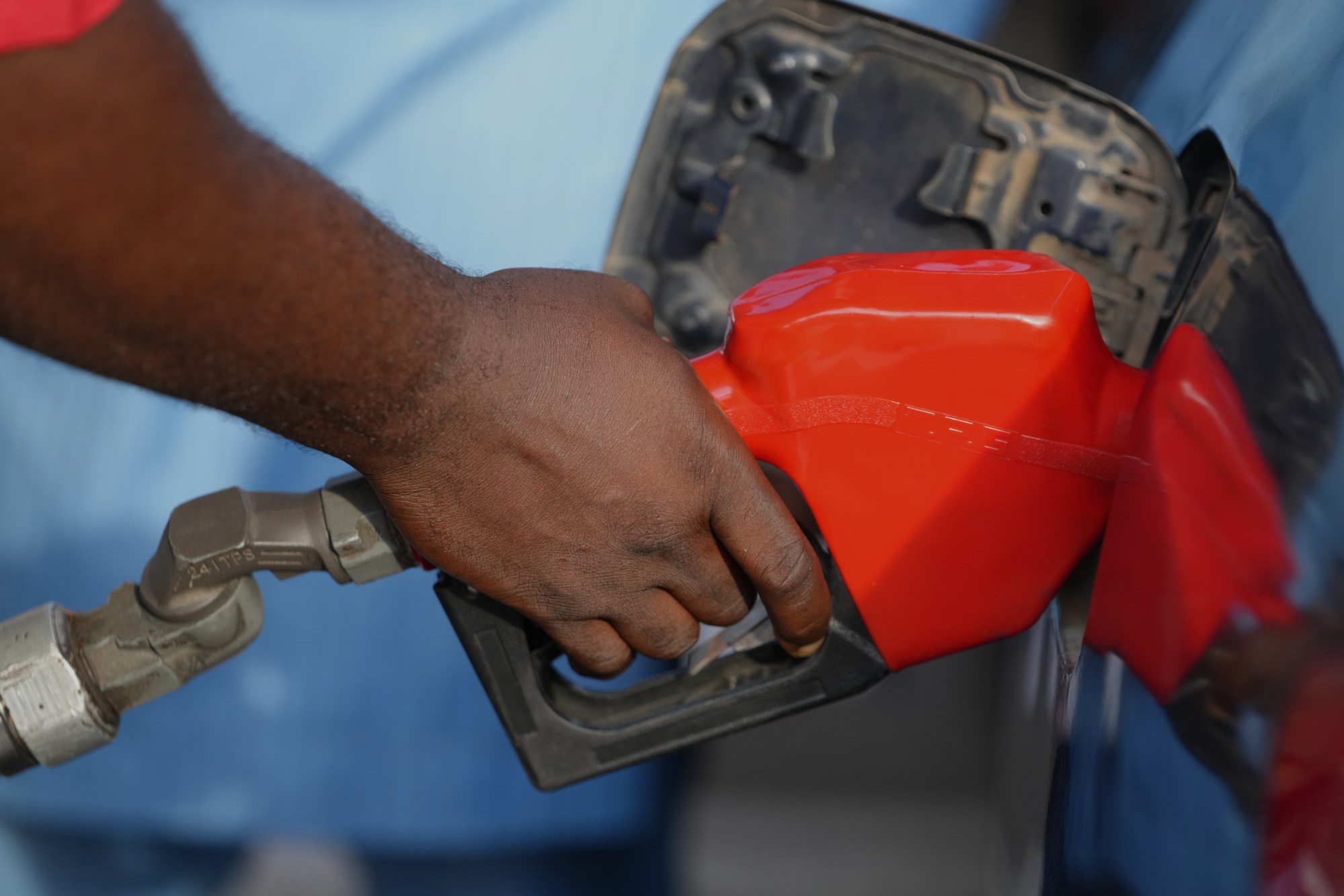
The Associated Press reports that for many Africans, the fuel price hike because of the Strait of Hormuz being largely closed off worsens the hardships they already struggle with in some of the world’s poorest households.
From the COVID-19 pandemic to the war in Ukraine and now the Middle East conflict, the world’s fastest-growing continent – with a population rivalling China and India – is at the painful end of ripple effects that include a global scramble for critical resources like fuel and fertilizer.
With the majority of African countries being net importers of refined oil products, the impact has been swift, leading to rising retail fuel prices in Africa and associated increases in the costs of most goods and services.
Experts say African countries are critically integrated into global economies and are exposed to global shocks because of their dependence on major economies.
The United Nations on Friday said it is pursuing a way to allow fertilizer to resume safe transit through the Strait of Hormuz, hoping it would build confidence in wider diplomatic efforts around the Iran war.
According to a 2025 report by the UN Trade and Development (UNCTAD), which describes Africa as “the epicentre of overlapping global crises,” more than half of the continent’s imports and exports are with five non-African countries.
All of Kenya’s fuel comes from the Middle East, particularly from the United Arab Emirates, with its fuel retailers saying 20% of the country’s outlets are already affected. Uganda’s fuel stock was initially projected to last a few weeks.
South Africa sources a significant amount of its fuel from Saudi Arabia. Nigeria, Africa’s largest oil producer, lacks local refinery capacity and relies on importing refined crude products from Europe.
In Zimbabwe, health labour workers protested in favour of an increase in wages as the cost of living rose sharply. In response, the government plans to increase the blending of fuel with ethanol from the current 5% to 20% ethanol blending. The blend poses a danger to cars, and a higher blend contributes to the emission of pollutants.
After South Africa’s fuel supplies from Saudi Arabia dropped, diesel-dependent industries started to panic-buy, fearing the worst. That is despite the Department of Mineral and Petroleum Resources (DPMR) saying the country still has untapped strategic reserves and diversified supply routes.
Kenya’s flower industry has also reported weekly losses of up to $1.4 million since the Iran war began, with growers attributing the losses to a decline in demand and shipping disruptions.