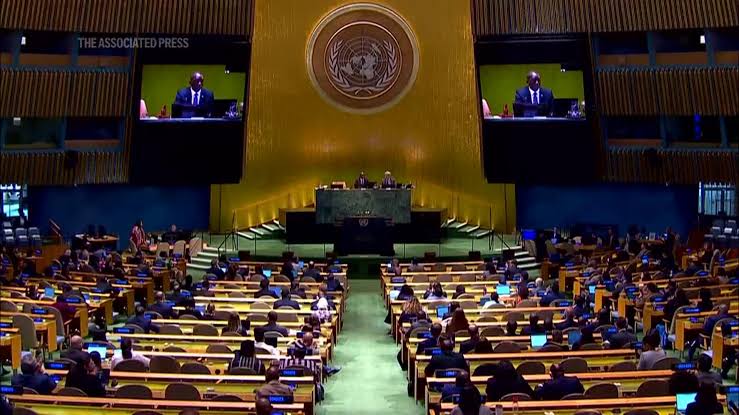
Photo credit: United Nations
The International Day of Persons with Disabilities was marked a couple of days ago.
For most Africans, disability is real, not because the resources are not there, but because the systems constrain them.
The continent is often described as struggling, weak, or dependent. For instance, Nigeria suffers from insecurity, hunger, unemployment, and a fragile economy. Nigeria has really suffered a turn of events. Like the Afro Beat legend sang in one of his songs, “As time dey go, tins just dey bad.” A nation that had the first television station in Africa, an excellent free education program, at least in Western Nigeria, down to the 1070s, when Nigeria became one of the Frontline African States – a coalition of countries that played a crucial role in the fight against apartheid and colonial rule in southern Africa, because of the country’s support in the struggle against apartheid.
However, to call Africans “disabled” is a misreading of reality. The disability exists not in the people themselves, but in the systems that constrain them. There is a state-engineered incapacity that blocks potential, erodes initiative, and forces survival over conscience.
A people’s power unused becomes a kind of enforced disability!
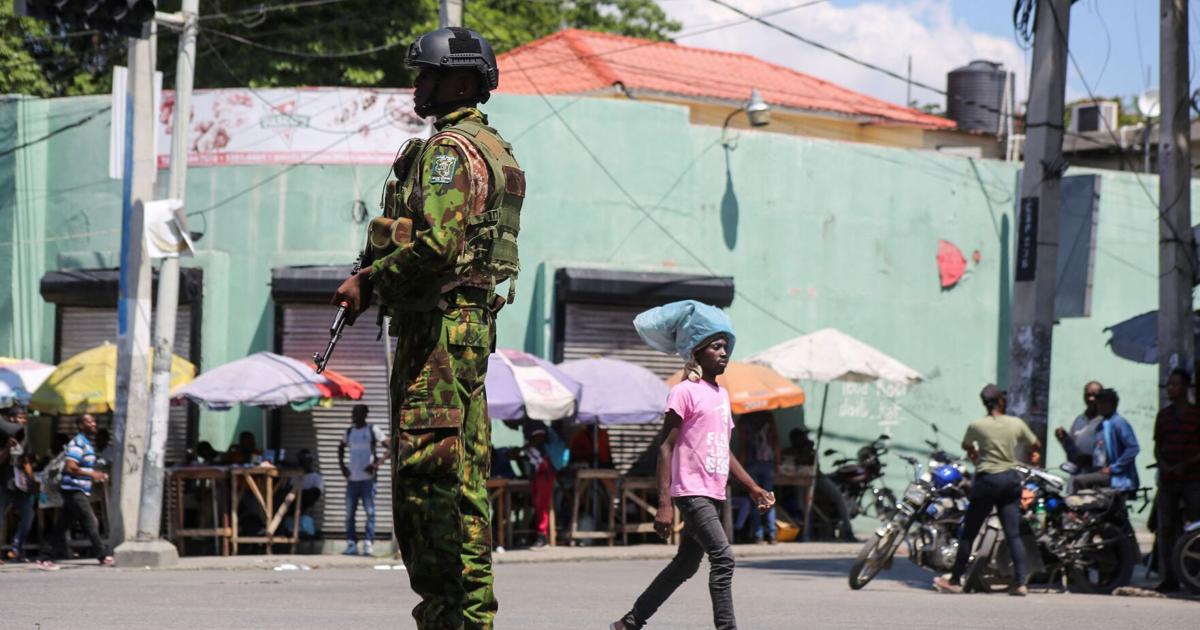
Although I left the country over seven years ago, I will always use Nigeria as an example. That is because, apart from having grown up there, I am well-informed about the happenings in the country, thanks to social media. In many regions of the country, insecurity prevents farmers from tending their fields, leaving citizens afraid in their own homes and driving young people into unemployment or migration.
Hunger gnaws not just at stomachs but at the possibility of long-term thinking. The jobless majority is trapped in daily survival, with talent fleeing abroad in waves of despair. This is not inherent capacity – it is a disabled state, a structural paralysis produced by failed leadership, corruption, and weak institutions.
Nigeria is not a disabled people; it is a people living inside a disabled state!
Citizens, too, are not too far from being blamed as they play a role in perpetuating the cycle. The chicken-and-egg problem of Nigerian politics is familiar. Politicians use poverty and insecurity as weapons while citizens vote for survival rather than principle, and political elites return to power unchallenged.
However, while both sides participate in the cycle, the balance of power is unequal. Politicians design the system; citizens navigate it. The crisis is a humiliating dance between a failed leadership and vulnerable citizens – the Yoruba call it ijo iya.
Only a few Africans resist this cycle. They attempt to vote intentionally, speak out against corruption, and build institutions. But a heroic minority cannot overhaul a system designed to survive under collective compromise. If only a few Africans are trying to resist, and many adapt, the system will continue to survive on that fatal imbalance.
Intentional civic action consisting of conscious voting, discipline, and collective accountability could break the loop. But it is difficult in a society where desperation dominates. Hunger, insecurity, and lack of education make long-term thinking almost impossible. Citizens must be able to choose wisely to get good leaders. Until that foundation exists, even enlightened intentions remain trapped within the weight of the state’s imposed disability.
This reality resonates beyond Africa. Some Black Americans are urging Africans to return and “fix” their countries. Meanwhile, some of them are making moves to return to the “motherland” – Africa. While the rhetoric of going back to fix their countries might sound accusatory, the underlying concern is about the global perception of Black people. Africa’s structural weakness and misgovernance reinforce stereotypes, affect diasporic pride, and shape the conditions of global Black dignity. Yet telling Africans to “go back and fix it” ignores the complexity: leadership is hijacked, institutions are weak, external powers interfere, and ordinary citizens have little power in a rigged election.
The dangers of oversimplification are not limited to Africa. In the United States, when President Trump called Somali immigrants “garbage” and disparaged female legislators, he echoed the same flawed logic: blaming people for conditions imposed on them. Methinks calling a female legislator “garbage” is not only an insult; it is a deliberate attempt to delegitimize women in power and undermine democratic norms.
Such rhetoric mirrors centuries of colonial narratives, reducing people to disposable categories and erasing the structural factors that shape outcomes.
Africa’s challenge is twofold. Internally, citizens must cultivate intentionality, civic consciousness, and collective discipline. Externally, the structural impediments imposed by weak institutions, corrupt elites, and global power imbalances must be dismantled. Until Africans actualize their potential – through courage, discipline, and systemic reform – the weight of imposed disability will remain. But the potential is real, and history favours the bold.
Until Africans actualize the potentials of the continent and their individual selves, the disability imposed upon them will persist, but the promise of African freedom, prosperity, and dignity lies in deliberate action and collective awakening.