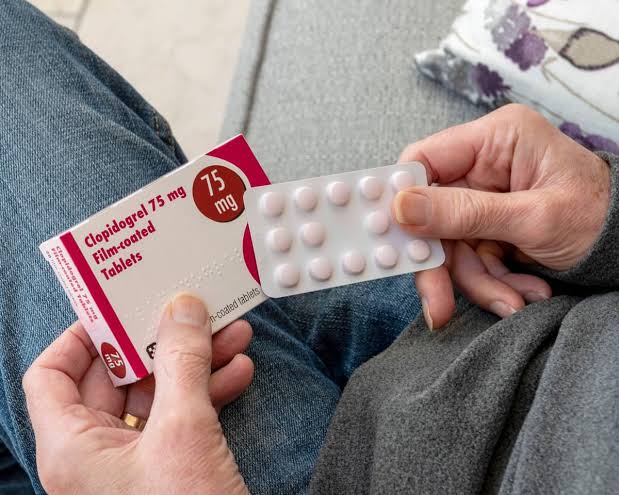
Photo credit: the Guardian
A recent study has suggested that a type of blood thinner may be better than aspirin for preventing heart attacks and strokes in patients with a form of heart disease.
The Standard reports that the chief scientific and medical officer at the British Heart Foundation Professor Bryan Williams, said, “Aspirin is a commonly prescribed drug to help prevent repeat heart attacks and strokes. This research suggests that clopidogrel, an alternative to aspirin, might be more effective at preventing recurrent heart attack or stroke. Importantly, these benefits come without a greater risk of major bleeding.
“These findings are likely to impact the medications doctors prescribe to their patients to reduce their risk of future heart problems.”
Coronary disease is a major cause of people dying worldwide. It is caused by fatty material called atheroma building up inside coronary arteries which eventually become so narrow that they cannot get enough oxidised blood to your heart. Complications can lead to a blood clot forming and then a heart attack.
According to British Heart Foundation data, the disease is responsible for around 66,000 deaths every year.
Atherosclerosis, as the process is known, can be caused by lifestyle factors, such as smoking and regularly drinking excessive alcohol, according to the NHS. The body asys the main symptoms of coronary heart disease are:
X chest pain (angina)
X shortness of breath
X pain throughout the body
X feeling faint
X feeling sick (nausea)
But it’s not everybody that has symptoms and it’s not everybody that feels unwell in the same way before being diagnosed.
If a doctor or medical staff suspect you might be suffering from coronary heart disease, they are likely to ask for a blood test. From there, they can pinpoint findings by completing a treadmill test, a CT scan, an MRI scan or a coronary angiography.
The disease cannot be cured but it is possible to manage it by making lifestyle changes and using medicine. In extreme cases it can be treated with surgery.
It can be prevented by exercise, not smoking, avoiding excess alcohol and keeping a balanced diet.