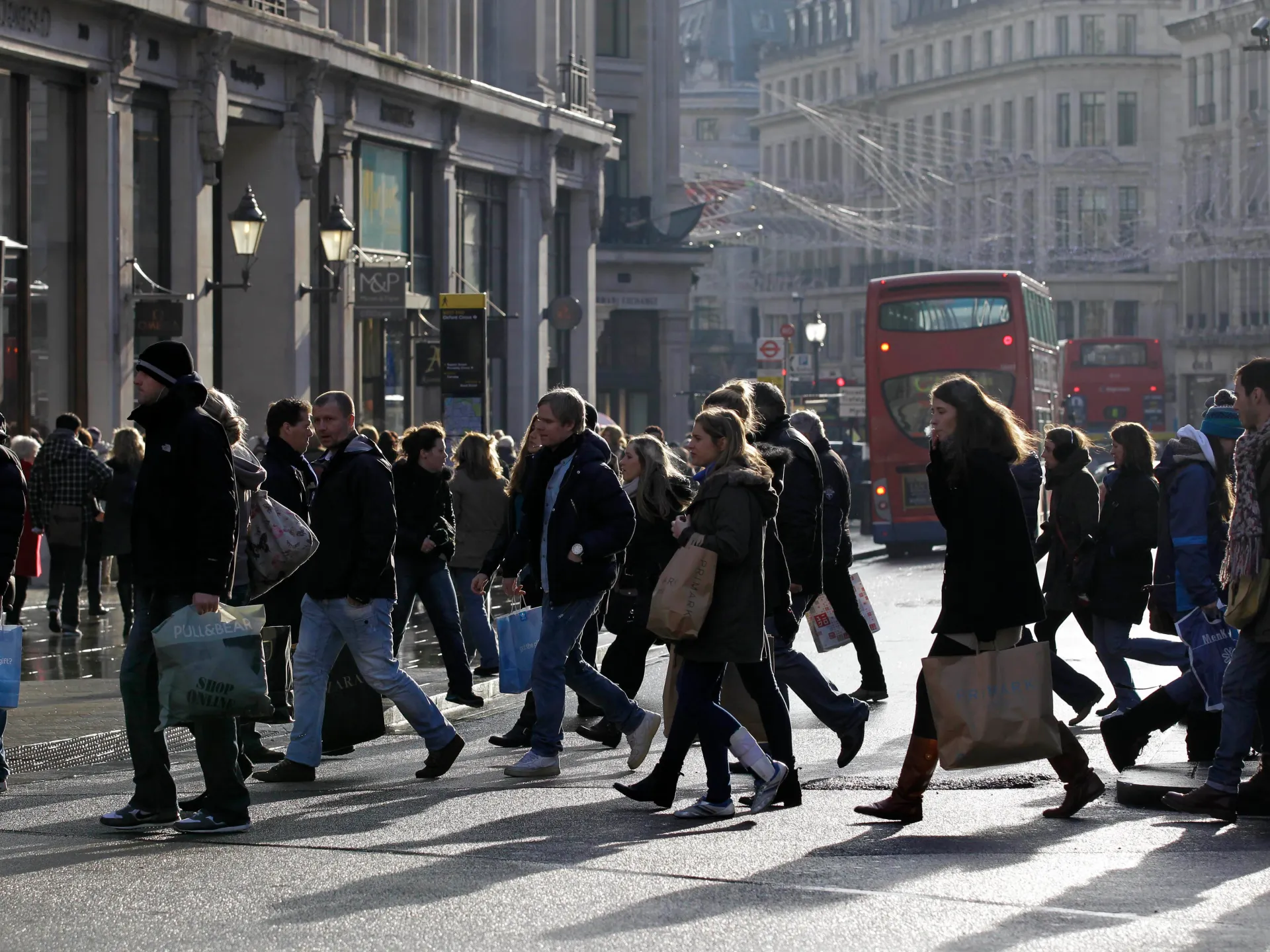
Photo credit: Aljazeera
Work-related migration to rich countries fell by one-fifth last year, as labour markets weakened and countries including Australia and the United Kingdom tightened visa rules, according to new research by the Organization for Economic CHo-operation and Development (OECD).
Data from the organization, which is made up of 38 wealthy and emerging economies, showed that work-related migration declined between 2023 and 2024, even before US President Donald Trump’s return to the White House reduced the number of arrivals into the United States.
After several years of steady growth following the COVID-19 pandemic, the number of people admitted for permanent work purposes across the OECD fell by 21 per cent last year, dropping to roughly 934,000.
A portion of the drop stemmed from visa policy tightening – most visibly in the UK, where net migration fell by more than 40 per cent in 2024. But even where there was no change in policy stance, labour migration fell in most European Union countries, dropping to below 2019 levels.
According to Jean-Christopher Dumont, who leads the OECD’s international migration division, the downturn can be chalked up to a “less favourable” global economic situation.
In April, the International Monetary Fund (IMF) cut its global growth forecast by 0.5 per cent points to 2.8 per cent for 2025, citing President Donald Trump’s trade war as a limiting factor.
Meanwhile, other countries that had traditionally been among the largest recipients of migrants have toughened entry rules. Over the past two years, Canada, Australia and the UK have all brought in measures to limit work-related migration.
Elsewhere, a large number of Ukrainians granted temporary protection in Europe had eased labour shortages in several sectors, reducing the demand for foreign workers. According to the most recent data from the OECD, an estimated 5.1 million Ukrainians who fled their country after Russia’s invasion in 2022 are now living in OECD member states, as of June 2025.
While there has been a fall in the number of new international students due to tighter visa policies in the UK, US, Canada and Australia, migration for humanitarian reasons has continued to climb. Asylum applications surged in the US in the final months of the Biden administration last year, and the UK has experienced a sharp increase in illegal small-boat arrivals from EU countries in recent months.
However, the 6.2 million newcomers to the OECD recorded in 2024 exceeded pre-pandemic levels by about 15 per cent.
6.5 million people settled in OECD countries in 2023. That was an increase of almost 10 per cent on the previous record of six million who moved in 2022 – the greatest rise was in the UK.
Roughly one-third of the OECD countries experienced record levels of immigration in 2023, including Canada, France and Japan. The US received 1.2 million permanent legal immigrants and Donal Trump based his 2024 election campaign on curbing migration.
Research by investment bank Goldman Sachs found that immigration drove most of the employment gains in Canada, New Zealand, Sweden, Germany and the UK in 2023 and added more than four million jobs in the US.
Dumont suggested that overall immigration to OECD countries may ease slightly in 2025, but it will remain historically high despite stricter US immigration policies. He also highlighted that the employment rate among migrants remains solid in labour markets.
Fabiola Mieres, a senior specialist in migration at the International Labour Organization, said, “We need to rethink some of the major issues around native labour shortage in areas like agriculture, construction and health (where migrant workers tend to be concentrated).