Photo credit: UN News
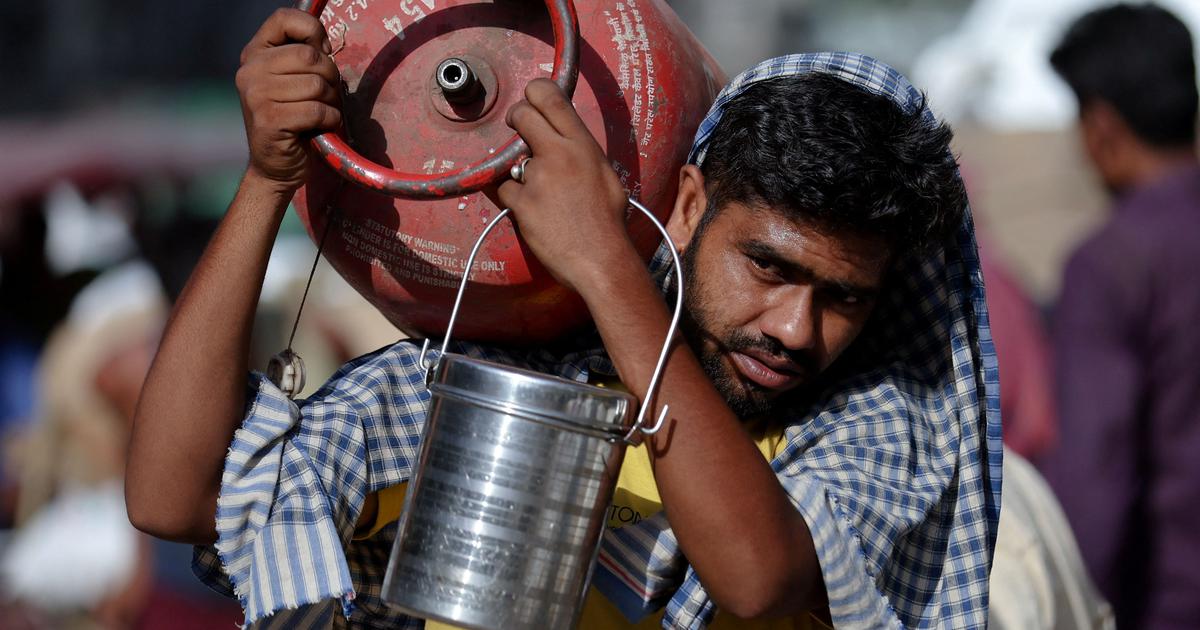
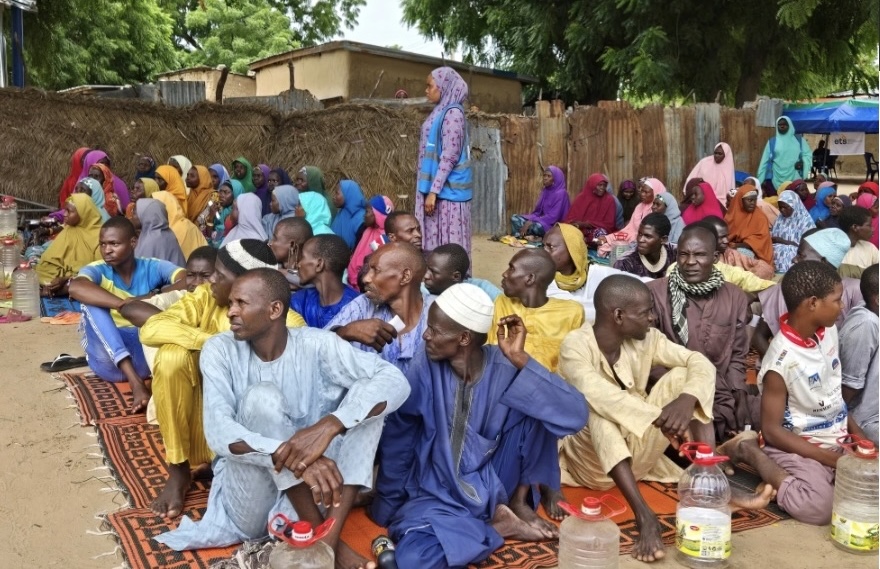
Nearly 35 million people in Nigeria could face severe hunger by the middle of next year, according to projections by the United Nations.
The New York Times reports that it would be one of the highest numbers ever forecast in the country and a major increase from the 27 million experiencing it today.
Widespread violence is largely driving the crisis, according to a report released by the UN World Food Program (WFP) on Tuesday.
Humanitarian aid is also drying up since major donors have significantly cut foreign assistance which provides food support to millions of people in Nigeria.
The new projections come as Nigeria faces a wave of mass kidnappings that is spreading fear and pushing more people into extreme hunger.
Over 250 children – including many thought to be as young as 5 to 7 – and 12 staff members remain missing after they were abducted from a Catholic school in Niger state on Friday, according to church officials.
On Tuesday, 24 girls kidnapped last week from a school in Kebbi state were freed, according to a teacher who filmed the students on a minibus driving them to meet government officials after their release.
The World Food Program’s representative in Nigeria David Stevenson said, “Communities are under severe pressure from repeated attacks and economic stress. If we can’t keep families fed and food insecurity at bay, growing desperation could fuel increased instability with insurgent groups exploiting hunger to expand their influence, creating a security threat that extends across West Africa and beyond.”
Although Nigeria is Africa/’s largest oil producer, it is already home to one of the largest hunger crises in the world. There is no famine yet, but over 27 million of those affected are experiencing “critical levels of acute food and nutrition insecurity,” according to the report.
The World Food Program’s forecast is rapidly getting more dire. Last year, it projected that 30.6 million people could face acute hunger during the lean season, when food runs low before the next harvest. Now, it has changed to 34.7 million.
The report covers about two-thirds of Nigeria’s 36 states. Most of the states are hotspots for violence such as insurgency in the northeast, communal violence in the central region and banditry, or attacks by gunmen hoping to collect ransoms, in the northwest.
Although the nation is not officially at war, attacks by various violent groups have killed more than 8,000 civilians this year, according to recent data compiled by independent monitoring groups.
The violence has been most intense in the agriculturally rich central belt of Nigeria. Nearly 200 villages have been sacked there in the past two years, according to Amnesty International in Nigeria.The violence has displaced over half a million people. Most of them were farmers who no longer have access to their fields.
Meanwhile, funding costs have forced the World Food Program to shut down at least 150 of its nutrition clinics in two states in the northeast, an area terrorized in recent decades by Boko Haram, according to the program. The agency is currently able to feed only about 900,000 of the six million people in need of urgent assistance in the northeast. However, it won’t be able to do even that if it cannot raise $115 million more over the next six months, its officials said.
The United States was the world’s largest provider of humanitarian aid, bjut cuts this year have left organizations vastly underfunded. The World Food Program operates on an annual budget of $200 million in northeast Nigeria alone, nearly half of which is typically provided by the United States.
This year, the United States has given $32 million to help Nigeria, said Chi Lael, a spokeswoman for the agency. Millions more are in need in the northwest, but humanitarian support i8s focused on areas hit by terrorism rather than banditry, she said, adding, “I don’t know how the other people are surviving.”