Photo credit: A Jazeera
This story includes graphic details of sexual violence, including against minors. Some readers may find this disturbing.
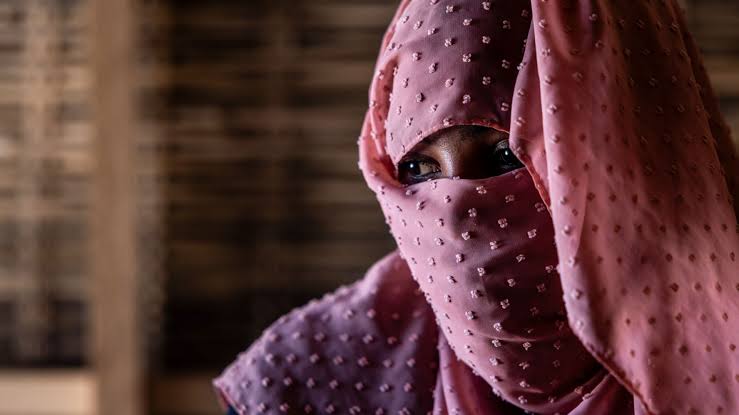
Islam, a young woman from El Geneina, Sudan, was preparing for her exams when a strike landed directly on her family’s home. She is now in a refugee camp in Adre in eastern Chad.
Now 22, she sobs as she recalls what happened to her.
After she and her family survived the air strike, she was kidnapped by members of the Rapid Support Forces (RSF), a paramilitary group that has been fighting Sudan’s army for two years. They threatened to kill her family if she did not submit to their demands.
She says, “If they had killed me, it would have been better than what they did to me.”
They took her to a remote village, confined her and gangraped her repeatedly over two days.
“One would stay for two or three hours…Then his other friend would come,” she says.
“I couldn’t breathe. When I tried to protect myself, they started beating me.” She says the trauma triggered chronic asthma, something she didn’t have before the attack.
A couple of days later, the men took her back. However, her home had been looted, and everyone and everything was gone. She missed her brothers and sisters.
Since April 2023, the war between the RSF and Sudanese armed forces has displaced nearly 13 million people, left millions in need of aid and torn thousands of families apart.
An Amnesty International report released in April documented widespread sexual violence by the RSF across towns and villages in Sudan.
It reported that rape, gang rape and sexual slavery were used to humiliate, assert control and forcibly displace communities.
A United Nations Women report from the same month says more than 12 million people in Sudan – roughly a quarter of the population – are at great risk of gender-based violence (GBV).
Islam eventually reunited with her mother, three sisters and two brothers in Adre.
She had gone there to look for them. Her father and another brother, who were taken by the RSF, remain in Sudan.
Adre was never meant to be a permanent home for refugees. The border town of 40,000 people is now hosting an estimated 235,000 refugees, according to the UNHCR.
The arrival of the refugees has sent prices for essential goods soaring, fueling tensions and contributing to rising crime.
Islam sells tea in one of the town’s busiest roundabouts to support he family. She says, “I’m harassed all the time by the men.”
During Ramadan, after working late to serve customers breaking their fast, she took a tuk-tuk home with her sister after dark. But the vehicle broke down, and a group of Chadian security forces in eight vehicles intercepted them. They demanded their papers and money as the driver fled.
The Chadian men were shouting: “You are bad people, you Sudanese. You spoiled your country, and you’ve come to spoil ours. We will chase you out…You don’t have a place here.”
Then the men dragged her into one vehicle and her sister into another.
She was raped!
The men dumped her in the hospital, where she met another sexual assault survivor.
But because she was ashamed, she did not reveal that she had been sexually assaulted. She was, instead, treated for a leg injury she had sustained in the tuk-tuk accident.
The Adre camp itself may not be safe as one local community leader says she knows of at least a dozen cases of women and girls raped by Chadian police forces in and outside the camp. But shame and fear of retribution and collective punishment keep many from speaking out.
Aid workers say it’s not uncommon for women and girls who have fled Sudan to be subjected to violence a second or even third time after they’ve reached the presumed safety of Chad.
Source: Al Jazeera