Photo credit: SBS
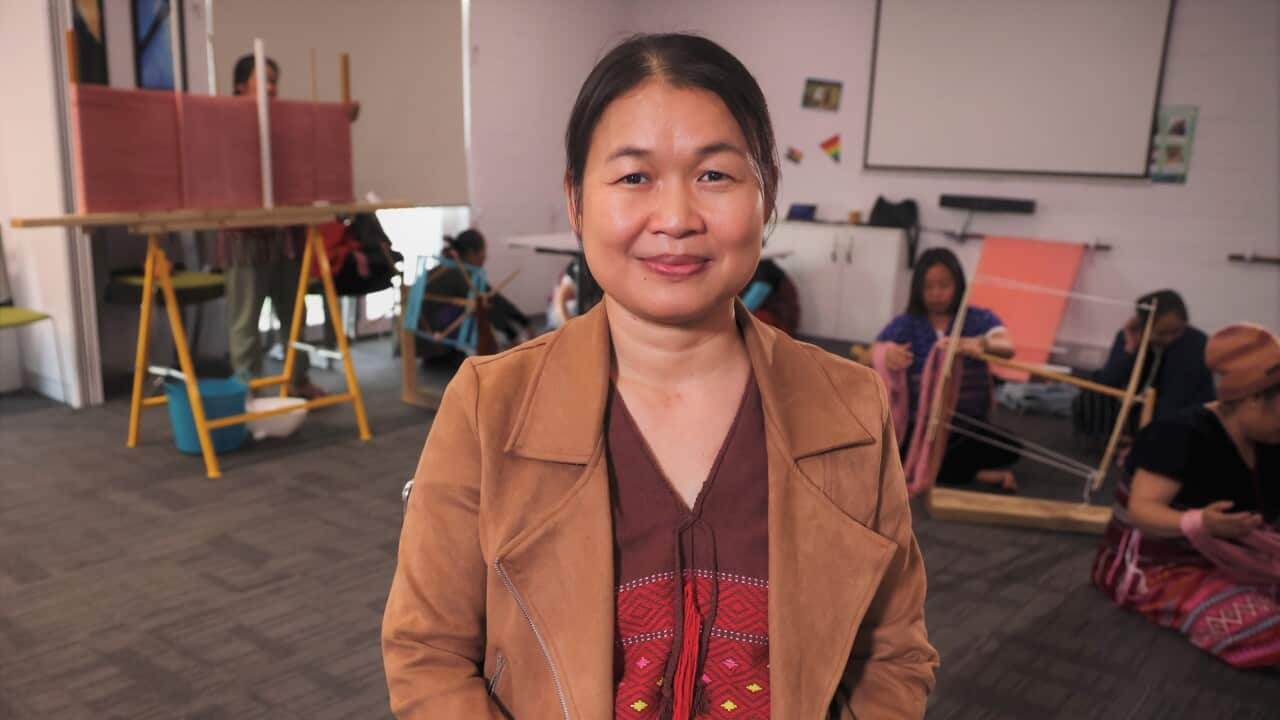
In a community centre in suburban Perth, a group of women from Karen, Myanmar and Thailand, sit side by side, chatting in their native language as they weave traditional cloth. The craft has passed down through generations.
SBS News reports that it is more than a weekly gathering for the women. Rather, it is a labour of love and a powerful act of cultural preservation.
Sisterlay Toe a member of the group said, “I use the fabric to make clothes for myself, and when I wear the clothes, I am happy, I feel proud of myself.”
Weaving is central to Karen cultural identity. Women pass down these skills to their daughters as a way to preserve both history and cultural identity.
Toe said, “It is really important that we keep weaving alive.
“It helps us to remember our cultural and the skills that our great-grandparents have, and then we can show it to the next generation.”
She is among 15,000 Karen people who now call Australia home since fleeing the conflict and persecution in their homeland.
Conflict has raged in Myanmar for decades, but the worsening human rights crisis stems largely from a 2021 military coup. Since then, the military has been fighting a wide array of pro-democracy guerrillas and ethnic armed groups, resulting in the deaths of thousands of people, with many more detained or forced to flee their homes.
The crisis was compounded this year by devastating earthquakes that killed over 3,700 people.
A United Nations report released this week states it has gathered evidence of “systematic torture” in Myanmar’s military-run detention facilities and identified some of the most senior perpetrators.
The military is yet to report to the allegations laid out in the report. It has always denied committing atrocities saying it is maintaining peace and security while blaming “terrorists” for unrest.
The Karen are among the ethnic communities in Myanmar most affected by the ongoing conflict.
The advocacy co-ordinator for the Refugee Council of Australia, Graham Thom, said, there are nine makeshift camps along the Myanmar-Thai border that house over 100,000 displaced Karen people.
“Those in the camps are totally dependent on non-government organisations and aid fir their survival, for their health, their education, for even basic food,” he said.
But recent cuts to international aid have left some in a precarious situation.
Many aid workers are raising concerns about the growing humanitarian crisis in the camps. Food rations for children have been slashed to just a few U|S cents per day.
Since all sides in Myanmar’s civil war have been accused of committing war crimes, returning to the place remains a risk for the Karen refugees. Many have therefore found new homes in Australia. One of them, Mu Lay SongSaeng said he was so happy for the chance of a new life in Australia because she has more freedom. But like many others, she fears that traditional skills like weaving are in danger of being lost.
This prompted her to revitalise a group called, “Weave to Thrive” two years ago in Mirrabooka, in Northern Perth. There, cloth is made on handheld looms made from recycled timber.