Photo credit: the reporter Ethiopia
A human trafficking network involving government officials, NGOs, and intelligence and military officers has escalated to new heights as tens of thousands of youth desperately grasp the prospect of a better life abroad.
The Reporter reports that It stretches from Asmara to Addis Ababa via Tigaray. A large number of youths are crossing the Eritrea border into Tigray. Those fleeing the war-torn region have also created fertile ground for an opportunity and widespread human trafficking trade.
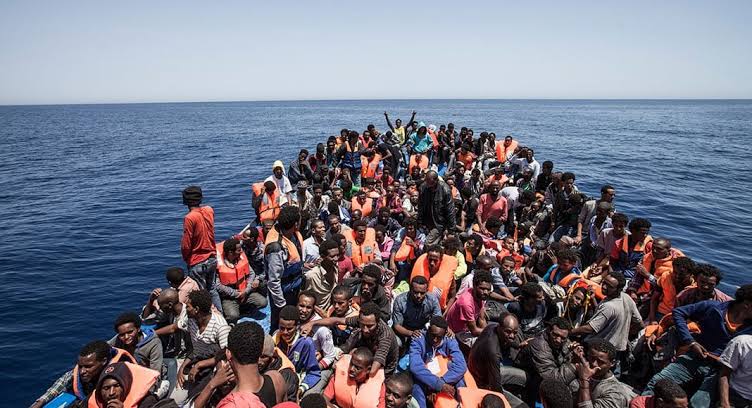
The routes used by these youth and the traffickers depend mainly on their destination. Those from Tigray’s central, southern, eastern, and southeastern parts travel to the Middle East, where they cross the Red Sea into Saudi Arabia.
Those with more money mostly travel to Libya or Egypt for a chance to cross into Europe. Some go to Uganda by using a route that crosses through Addis Ababa.
However, no matter the route taken, the journey is perilous, and migrants often face life-threatening situations.
A lot of the Tigrayan youth scrambling to flee the country are former TDF combatants. Opposition parties in the country are also following the mass exodus of the youth. They are now raising the alarm over the unprecedented levels of human trafficking being carried out by mafia groups.
A growing number of Eritrean youth enter Tigray daily through their shared border. When they arrive, the migrants are held in areas prepared specifically for them before moving to Addis Ababa. Following a brief stay in Tigray and the exchange of money for identification and paperwork, the migrants move to the capital, where they await a chance to travel abroad.
The exodus from Eritrea begins with communications between members of the trafficking network in Asmara and in Addis Ababa, according to an investigation conducted by The Reporter.
Eritreans who travel to Tigray on their own are often kidnapped in Tigray. They are kept in houses or camps, detained until a ransom is paid, and then they are granted passage into Addis Ababa. But those who use the network are helped along at every step.
Although the Tigray Bureau of Justice and Security and the Regional Anti-corruption Commission have conducted assessments on human trafficking in Tigray, the officials at these agencies resorted to blaming one another during their conversations with The Reporter.