Photo credit: KRDO
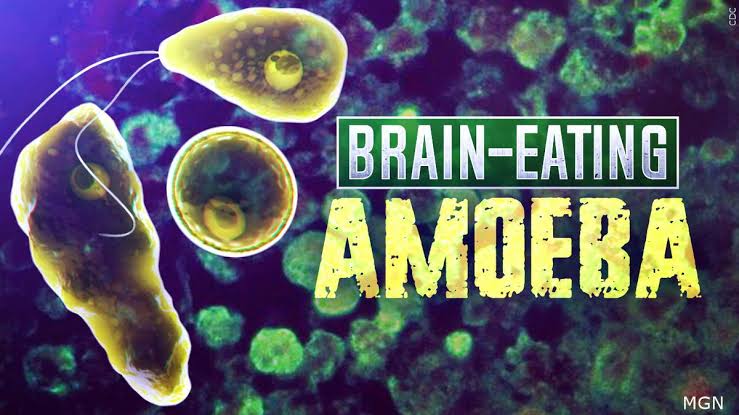
One of the world’s most dangerous water-borne microorganisms, commonly called a “brain-eating amoeba” has been detected in two drinking water supplies in south-west Queensland.
SBS News reports that the two affected towns are about 750 kilometres west of Brisbane, Australia. ter supplies.
During an analysis of water samples commissioned by Queensland Health, Naegleria fowleri was detected in the water systems of two health facilities, one in Charleville and one in Augathella. It was also discovered in the incoming town water supply at both facilities.
A health notice was issued by the Shire Council of Murweh, which takes in the two affected locations, for residents and visitors, warning of the detection of N. fowleri in the water supplies.
The N. fowleri amoeba is a microscopic organism found around the world. It only lives in warm freshwater, generally between 25 and 40 degrees C. This can include ponds, lakes, rivers, streams and hot springs.
If someone is infected with N. fowleri, it causes what’s called primary amoebic meningoencephalitis, a serious infection of the brain.
Symptoms include a sore throat, headache, hallucinations, confusion, vomiting, fever, neck stiffness, changes to taste and smell, and seizures.
The incubation period of primary amoebic meningoencephalitis typically ranges from three to seven days.
People get infected through N. fowleri infection of the brain through the nose. The amoeba then passes through a protective membrane called the nasal epithelium.
Infections occur in people when infected water travels up their nose. Most cases involve children and young people who have swum in infected waters. The majority of cases occur in males, with an average age of 14.