Photo credit: The Tico Times
For years, Panama was a transit territory within one of North America’s most intense migration routes. The Darien jungle became a human corridor crossed by thousands of stories marked by urgency.
Havana Times reports that in 2023, 520,085 people crossed the jungle, according to the Ministry of Public Security. Of that total, 328,667 were Venezuelan and nearly 120,000 were minors.
In 2024, although the flow decreased, 300,000 migrants crossed the same route. The majority were still Venezuelan. But the dynamic changed abruptly. Between January and February 2025, only 2,637 people crossed the Darien irregularly, a drop of nearly 96% compared to the same period the previous year. Ninety five percent came from Venezuela.
The jungle ceased to be the human highway it once was.
The drop in Darien crossing did not mean the end of migration movements. It only transformed their direction.
Throughout 2025, a phenomenon that international organizations are already monitoring in the region began to become visible: “reverse flow,” or return migration.
According to the United Nations, High Commissioner for Refugees (UNHCR), the term describes the movements of people who, after trying to continue their journey northward across the continent, decide – or are forced – to move back toward Central and South America. It is not a simple return. In many cases, it is a return burdened with economic losses, emotional exhaustion, and vulnerabilities.
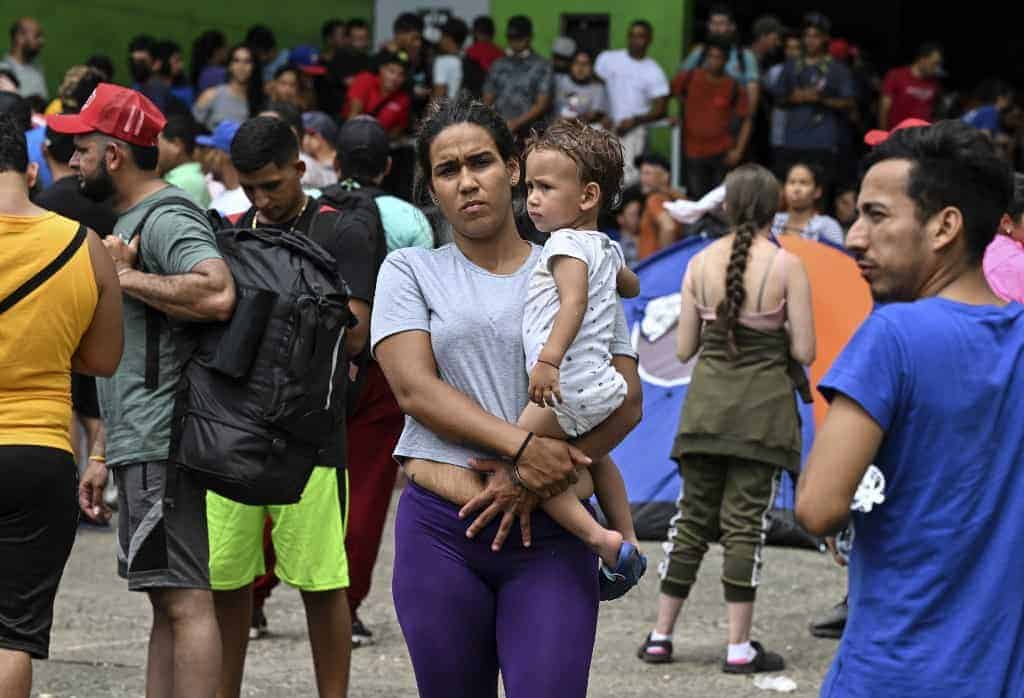
Panama began recording it. By December 2025, the country had counted 22,325 entries linked to these movements during the year. 3,974 occurred in the last quarter. Most were Venezuelans. Many were traveling as families.
Stories linked to return migration repeat patterns. Interviews conducted by UNHCR in Panama during 2025 show that these movements are increasingly family based in the last quarter of the year, 385 people interviewed allowed the situation of 671 family members to be assessed. A significant portion were children and adolescents.